Smart Permitting for Ecological Restoration
Redesigning the Permitting Process for Faster Ecological Restoration
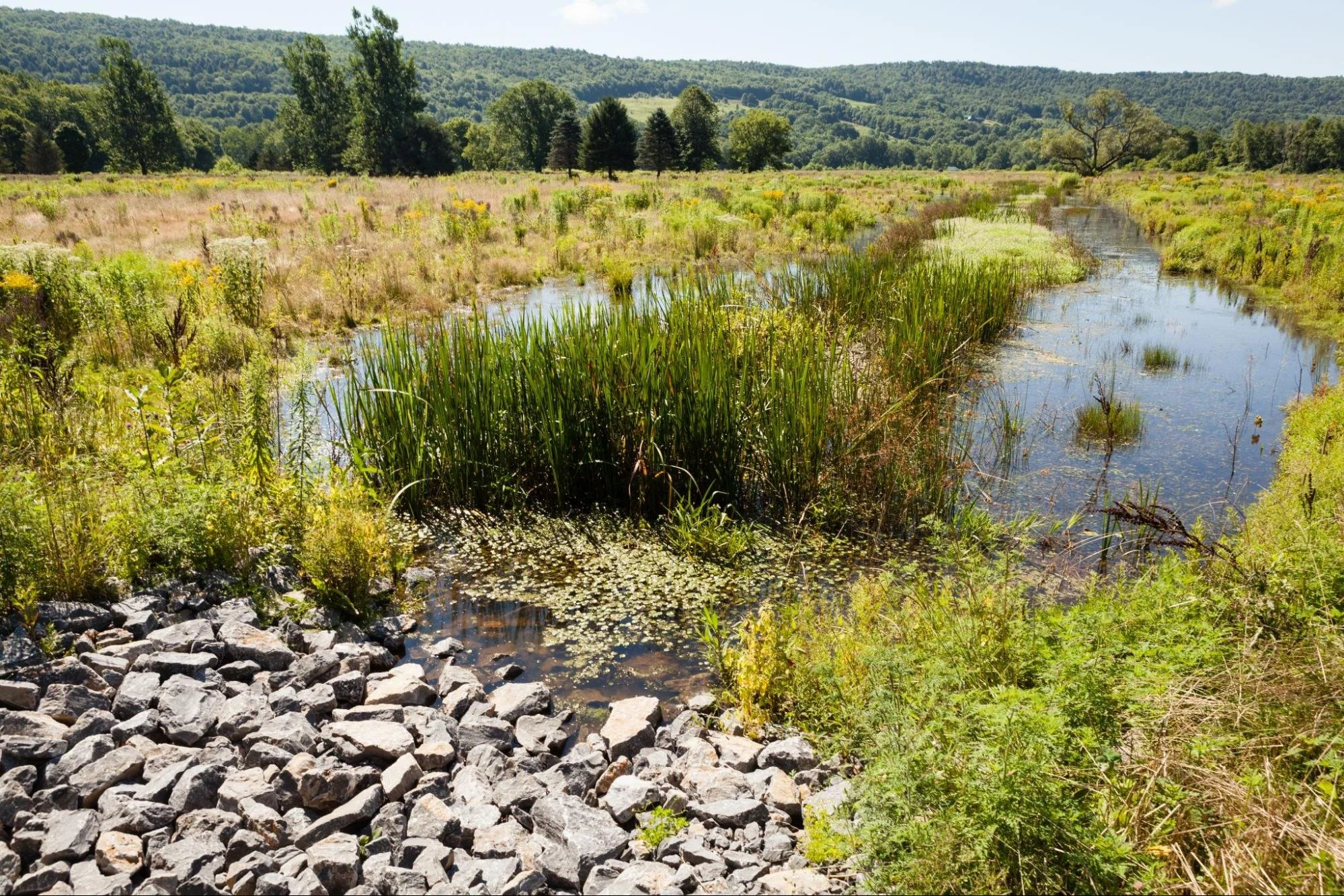
Our goal is to advance ecological restoration at scale by bringing the nation's environmental permitting process into the 21st Century. We focus on collaboration, technology, and practical solutions to improve the permitting process and accelerate ecological restoration efforts across the United States. Through smart permitting approaches, we're working to ensure quality in, quality out—faster approvals that maintain environmental protections while advancing critical restoration work.
Did You Know?
The costs of permitting burn through up to ⅓ of a restoration project's budget. We need to fund nature, not paperwork.
There are more permit types available to build things rather than restore degraded ecosystems. We need an equal playing field.
Regulatory approval for wetland mitigation banks takes 1.5 times longer than required by law, even as wetland loss accelerated by more than 50% in the last decade. Since restoration needs 6 years for basic recovery and decades for substantial progress, these delays create a widening gap between loss and recovery. We need to act faster.
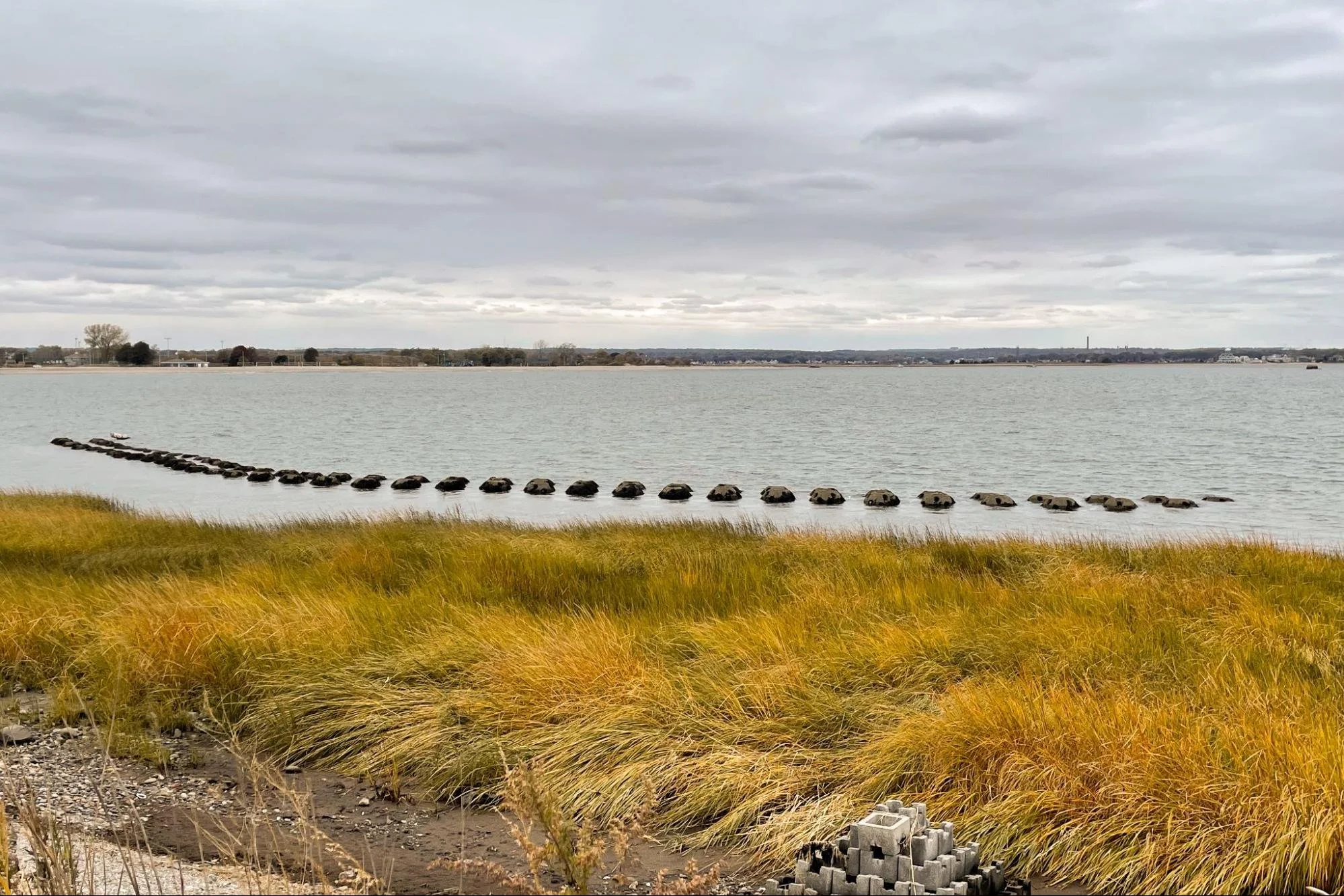
Restoration works—343 acres of restored oyster reef at Harris Creek in Chesapeake Bay filter the entire volume of Harris Creek every 10 days; and months after the four dams on the Klamath River were removed, the first salmon was spotted swimming upstream since 1912. We need to improve permitting to accelerate restoration efforts.
What Drives Us
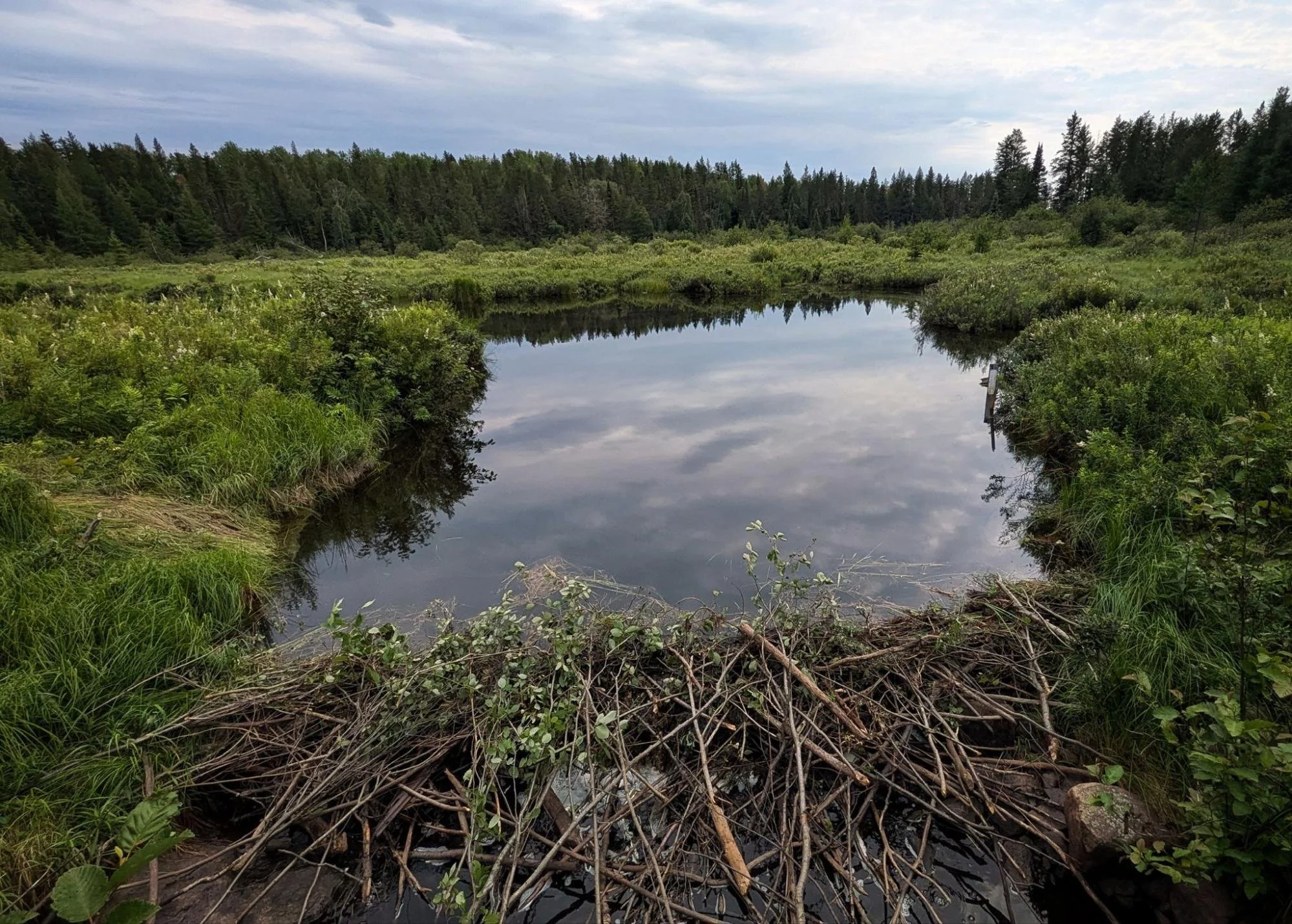
We aim to reduce restoration permit timelines, enabling complex restoration projects to be approved within a year and typical restoration projects to be approved within 60-90 days—without pausing the clock. We're advancing ecological restoration through faster and better permitting while addressing a fundamental misalignment between our regulatory and natural systems: regulations are rigid and expect permanency, whereas natural systems are dynamic and adapt to changing environmental conditions. Restoration projects are fundamentally different from development projects, and our regulatory processes should reflect that difference.

Why It Matters
Permits can take years to obtain, even for the most environmentally beneficial projects. This causes practitioners to select sites based on ease of permitting, not restoration potential—we're missing out on significant restoration opportunities to address climate change and biodiversity loss. With global leaders committed to restoring 30% of the world's degraded ecosystems under the Kunming-Montreal Global Biodiversity Framework, we must ensure our permitting processes enable rather than hinder this critical work.
Our Process
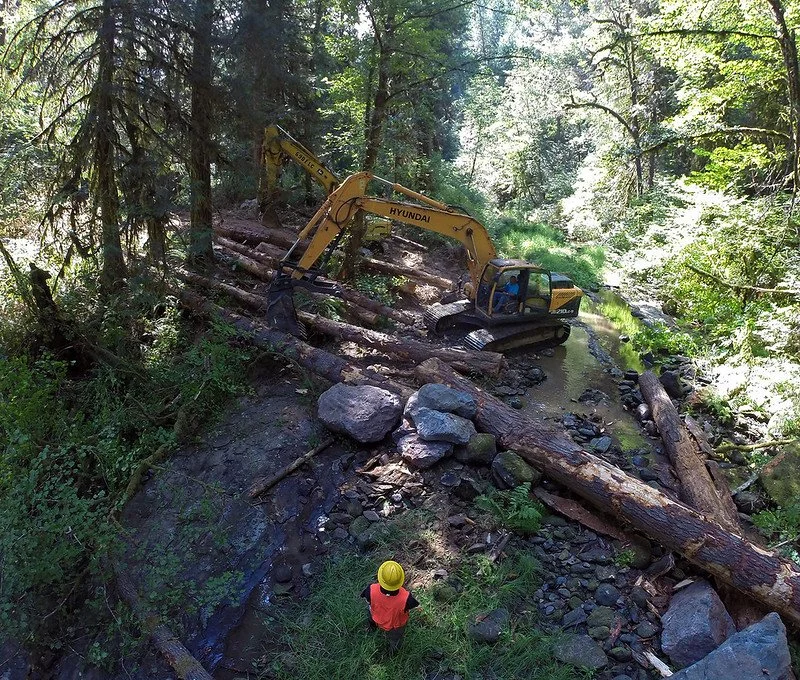
We're working to transform permitting from a barrier into an accelerator for restoration through three complementary approaches:
Research and Spotlight Success Stories
Document and share gold star case studies of efficient permitting processes that accelerate restoration timelines
Research permitting challenges and solutions, and analyze their impact on restoration outcomes
Advance Smart Policy Solutions
Recommend policy-oriented solutions that improve permitting through legislative and administrative actions to accelerate restoration, and submit public comments and provide technical expertise to inform rulemaking processes
Eliminate 50-70% of permit time delays by scaling smart technology use
Bridge Policy and Practice
Bring restoration practitioners, regulators, and policymakers together to share challenges, build relationships, and develop collaborative solutions
Help policymakers and regulators understand restoration science while informing practitioners on how to navigate regulatory requirements and policy landscapes
We developed a strategic framework to speed up the permitting process, enhance coordination among agencies, and achieve better outcomes for everyone:
-
This strategy functions like a fish ladder—it works within the current system and provides a bypass around barriers. Several approaches could make permitting move faster without overhauling the whole process or changing the rules. Ensuring sufficient regulatory staffing—while helpful—only changes the amount of time dedicated to permitting. We need to go a bit further:
Strong leadership and prioritization of timeliness create urgency and can make significant strides within the existing process.
Interagency coordination can be crucial in avoiding duplicative and sometimes conflicting recommendations. By building on models like the Federal Permitting Council, interagency task forces, and multi-agency review teams, we can identify bottlenecks, share best practices, and promote transparency in decision-making
Deadlines and page limits aren’t innovative enough on their own, but can have an impact when applied with other solutions such as senior staff involvement, problem-solving liaison roles, and batched or general permits.
-
Continuing with our fish passage analogy, transformative change that restores the function, efficiency, and transparency in permitting is akin to removing the entire dam that blocks fish passage. Updating environmental reviews and permitting requires reimagining what the process needs to look like. A categorical exclusion can ‘remove the dam’ for no or low-impact restoration projects, and e-Permitting and AI tools can address multiple issues at once. E-permitting systems can replace outdated, paper-based processes, improving speed and accountability, and AI tools can draft routine environmental assessments, freeing up agency resources for more complex reviews.
Creating a regulatory process divorced from development and infrastructure could radically transform restoration project reviews and eliminate mismatches in requirements and burden of proof for these beneficial efforts. This idea could also include expediting permit reviews for proven applicants with demonstrable track records in delivering ecological restoration outcomes and environmental compliance. Changes like these would speed up permit issuance, enabling faster project implementation without compromising the integrity of environmental reviews. As Albert Einstein said, “You can’t solve a problem with the same kind of thinking that created it.”
-
If the first and second strategies are similar to constructing fish passages and removing dams, then this third strategy is about keeping nature intact at the start. At the core of the matter, we must address the shortcomings of the current regulatory system that have caused more habitat loss from development than we can restore. Upgrading from a “no net loss” to a “net gain” policy is one option. Another is providing and sharing data better so that impacts can be avoided in the first place.
Environmental review and permitting improvements must also address the broader regulatory framework that governs land use and development. We champion an integrated approach to prioritize restoration and conservation in all development projects, minimizing environmental impacts from the outset. Transitioning to a “net gain” policy, where environmental restoration is a guiding principle, would align public and private investments with long-term sustainability goals. Improving compensatory mitigation policies and incentivizing voluntary restoration efforts will create a more proactive regulatory environment, delivering better outcomes for both the environment and the economy.
Our Initiatives
Permitting Innovation Hub
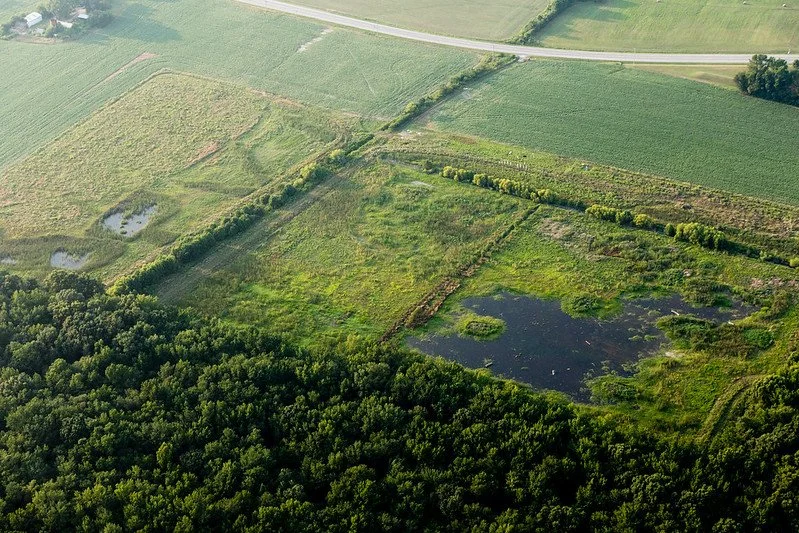
With combined expertise from our restoration and technology teams, EPIC is uniquely positioned to provide actionable guidance and recommendations to speed up permitting. Our staff have a combined 36 years of on-the-ground restoration work, with several staff working directly in reviewing and approving permits at local, state, and federal levels. Additionally, multiple team members worked with the electric power industry on pathways to speed up transmission line development, and others have worked hand-in-hand with agencies on their improved use of technology to speed up environmental decision-making.
-
The approval of a class of wetland and stream restoration projects called ‘mitigation banks’ are hindered by inefficiencies and regulatory ‘green tape,’ resulting in delays beyond the deadlines mandated in regulation. EPIC has analyzed the time it takes to approve mitigation banks at both the national and state levels.
Funding Nature, Not Paperwork Series
EPIC has developed a series of briefs that provide background on sources of restoration permit delays, and options for reforms - including case studies.
March 2025 3-page case study of Washington’s Habitat Recovery Pilot Program.
Jan 2025 2-page brief that synthesizes common sources of delays, permit reforms and examples that have provided efficiencies for restoration projects.
July 2025 4-page case study of Louisiana’s Coastal Protection and Restoration Authority, a highly successful restoration program that demonstrates how strategic institutional design can achieve restoration at scale and speed.
Jan 2024 4-page concept note on pathways to speed restoration permitting. Showcases eight pathways to speed permitting, along with excerpts from enabling policy text. Examples could be tailored and replicated in other contexts.
-
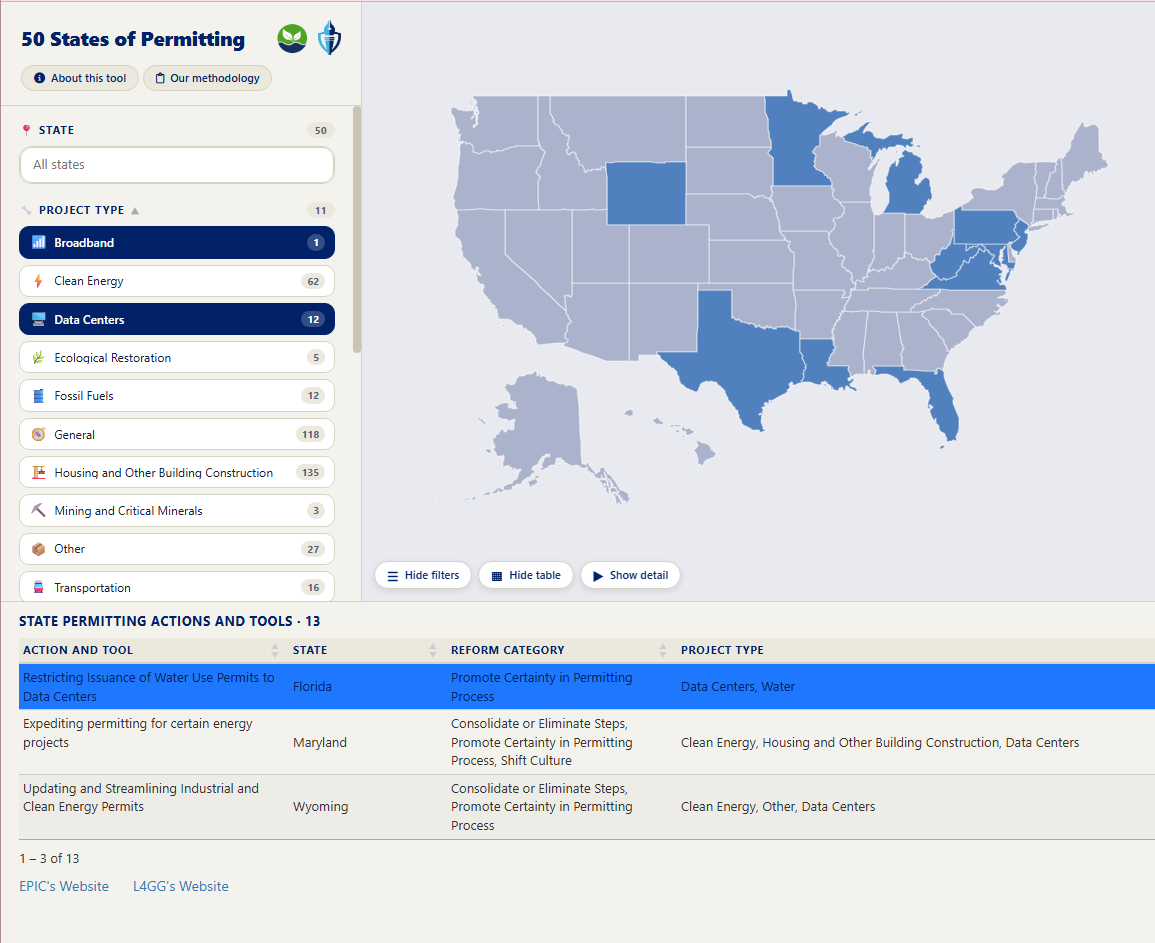
Our database compiles and over 100 examples of legislation, policies, executive orders, and technological permitting reforms. We include local, state, and federal examples.
What’s New