Streamlining Habitat Restoration in Washington: A Look at the Habitat Recovery Pilot Program

Co-written by Danielle Bissett and Billy Plauche

Washington’s salmon populations are in trouble, and restoring their habitat is more urgent than ever. But too often, well-planned restoration projects get stuck in a slow and costly permitting process. The Habitat Recovery Pilot Program (HRPP) was launched in 2021 to change that—helping habitat restoration projects move faster through the permitting process while complying with environmental regulations.

Since the HRPP was implemented, it has made it easier to get permits approved, allowing more restoration work to happen on the ground. With the program set to expire in June 2025, now is the time to reflect on what’s working, what could be improved, and why extending the HRPP matters for Washington’s rivers, fish, and communities.

This factsheet breaks down the program’s impact and the opportunities ahead. By permanently renewing the HRPP to streamline permitting for ecological restoration, Washington can continue to take bold steps to recover salmon populations and protect vital ecosystems.
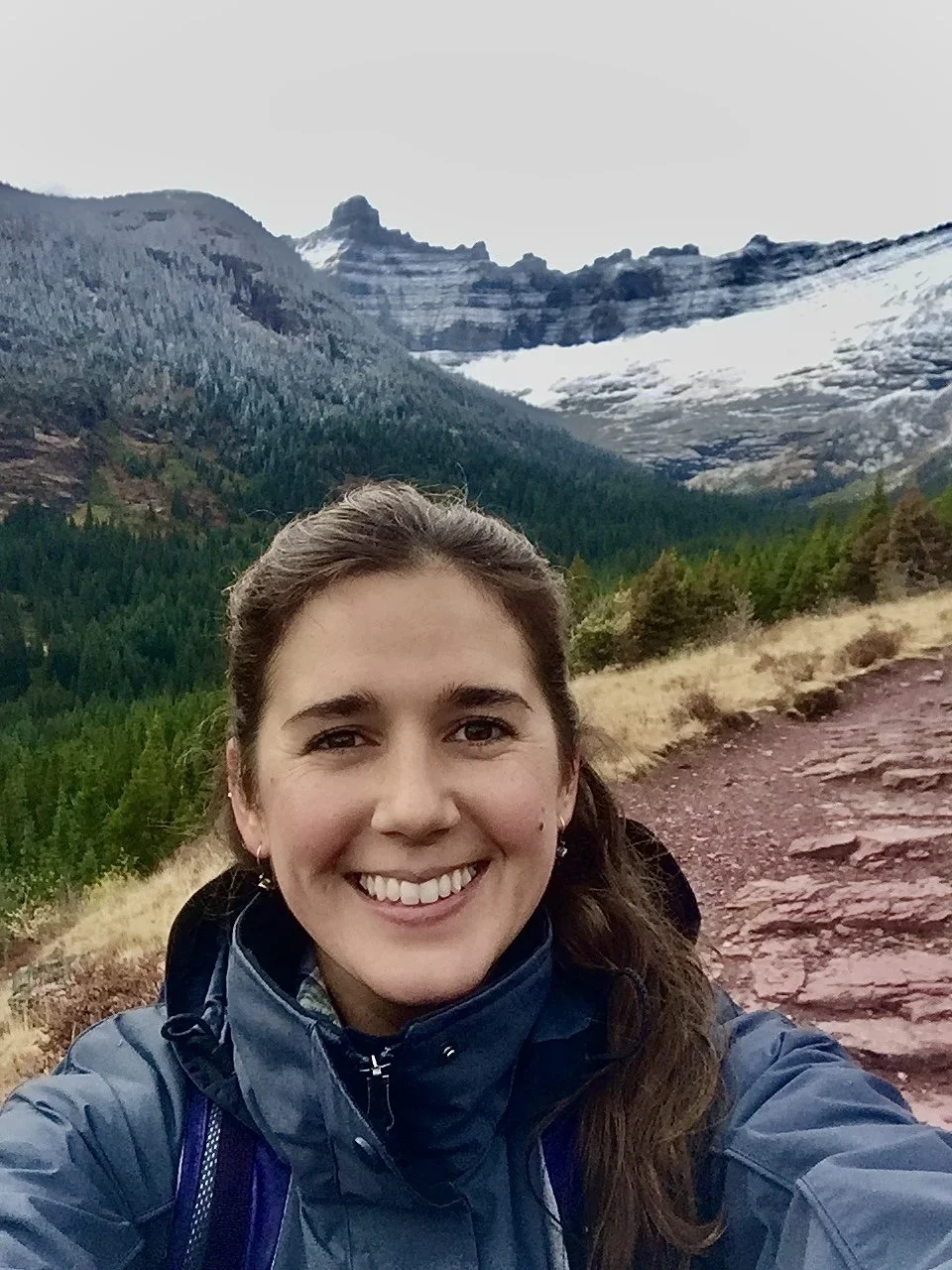
Danielle Bissett

Danielle Bissett is a Certified Ecological Restoration Practitioner and Assistant Director of Restoration Policy at the Environmental Policy Innovation Center, which she joined at the end of 2023. In her current role on the Restoration Team, she applies her practitioner experience to improve permitting processes and policies, accelerating high-quality restoration projects. Before joining EPIC, Danielle led restoration efforts at NYC Parks’ Natural Resources Group and Billion Oyster Project. At NYC Parks, she collaborated with partners and community groups to implement the Bronx River Intermunicipal Watershed Plan—a comprehensive ecological restoration approach that improves physical, ecological, and social conditions while reducing environmental stressors to the river and riparian areas. While working for Billion Oyster Project, Danielle played a pivotal role in shaping and advancing oyster reef habitat restoration in New York City. As Director of Restoration, she led and scaled the Restoration Department and strategically established several initiatives to assist the recovery of self-sustaining oyster populations in New York Harbor, which relied heavily on collaborative partnerships and a multi-habitat restoration approach. She holds a Master of Science in Environmental Policy from Bard College’s Center for Environmental Policy and a dual Bachelor of Arts in Environmental Studies and Anthropology from Adelphi University.

Previous
Previous

EPIC's Smart Permitting Recommendations to the U.S. Senate Committee on Environment and Public Works

Next
Next

New Project: National Drinking Water Explorer Tool