
EPIC's Smart Permitting Recommendations to the U.S. Senate Committee on Environment and Public Works

Co-written by Danielle Bissett, Becca Madsen, and Jessie Mahr

America's current environmental permitting system is a bureaucratic labyrinth that's blocking critical infrastructure and ecological restoration projects exactly when we need them most. We gave recommendations to the Senate Committee on Environment and Public Works, here are highlights from our recommendations:

  • Reduce complex restoration project reviews from years to less than 12 months

  • Leverage technology like e-permitting and AI to streamline processes

  • Create solution-oriented regulatory cultures that prioritize efficiency

  • Differentiate ecological restoration from development permitting

State-level success stories are already proving that these approaches work:

  • Virginia cut regulatory processing times by 70%

  • Florida improved permit transparency and review speeds

  • Louisiana invested $21.4B in flood protection and habitat projects

This isn't about reducing environmental protections—it's about making them smarter, faster, and more effective.
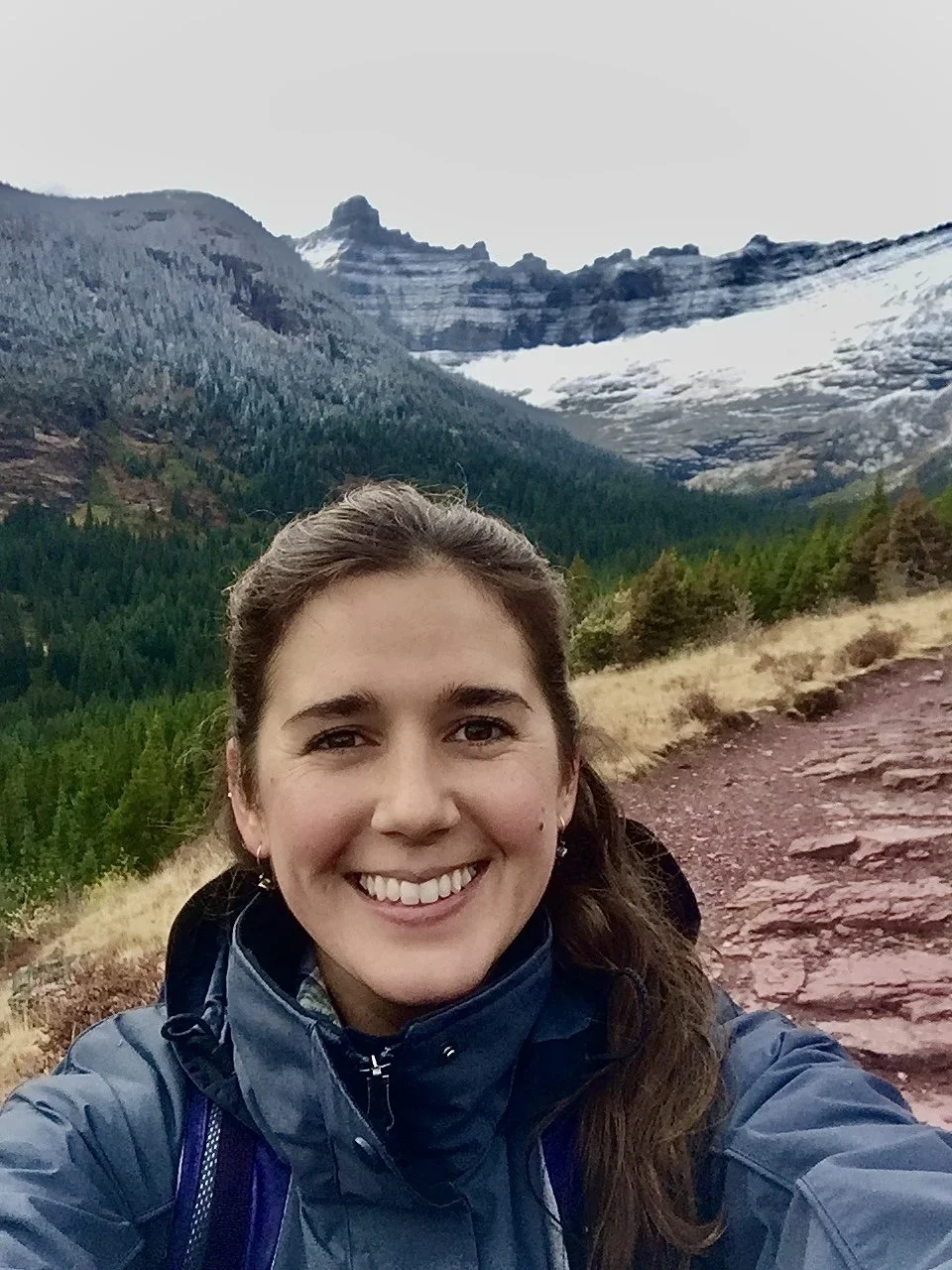
Danielle Bissett

Danielle Bissett is a Certified Ecological Restoration Practitioner and Assistant Director of Restoration Policy at the Environmental Policy Innovation Center, which she joined at the end of 2023. In her current role on the Restoration Team, she applies her practitioner experience to improve permitting processes and policies, accelerating high-quality restoration projects. Before joining EPIC, Danielle led restoration efforts at NYC Parks’ Natural Resources Group and Billion Oyster Project. At NYC Parks, she collaborated with partners and community groups to implement the Bronx River Intermunicipal Watershed Plan—a comprehensive ecological restoration approach that improves physical, ecological, and social conditions while reducing environmental stressors to the river and riparian areas. While working for Billion Oyster Project, Danielle played a pivotal role in shaping and advancing oyster reef habitat restoration in New York City. As Director of Restoration, she led and scaled the Restoration Department and strategically established several initiatives to assist the recovery of self-sustaining oyster populations in New York Harbor, which relied heavily on collaborative partnerships and a multi-habitat restoration approach. She holds a Master of Science in Environmental Policy from Bard College’s Center for Environmental Policy and a dual Bachelor of Arts in Environmental Studies and Anthropology from Adelphi University.

Previous
Previous

NYTimes: Government Science Data May Soon by Hidden. They're Racing to Copy It.

Next
Next

Streamlining Habitat Restoration in Washington: A Look at the Habitat Recovery Pilot Program