Permit Me to Restore

Why does it take so much paperwork to restore nature?

I made the switch from practitioner to policy-maker because permitting requirements for restoration were incredibly disheartening and frustrating. I kept expecting to have a big “aha” moment: oh, this is why we do it this way — it’s a well-thought-out plan. That moment never came, and, if anything, I’ve become more dumbfounded by the status quo.

The main problem is that the permitting system we built and have added to over the last 50 years was designed to reduce or prevent harm from unchecked development and industrial pollution. That logic makes sense when someone might ask to destroy a wetland to build a parking lot. But it makes absolutely no sense when you’re trying to restore a wetland that needs some help or bring oysters back to an estuary to filter water and create habitat. We need faster permitting for restoration.
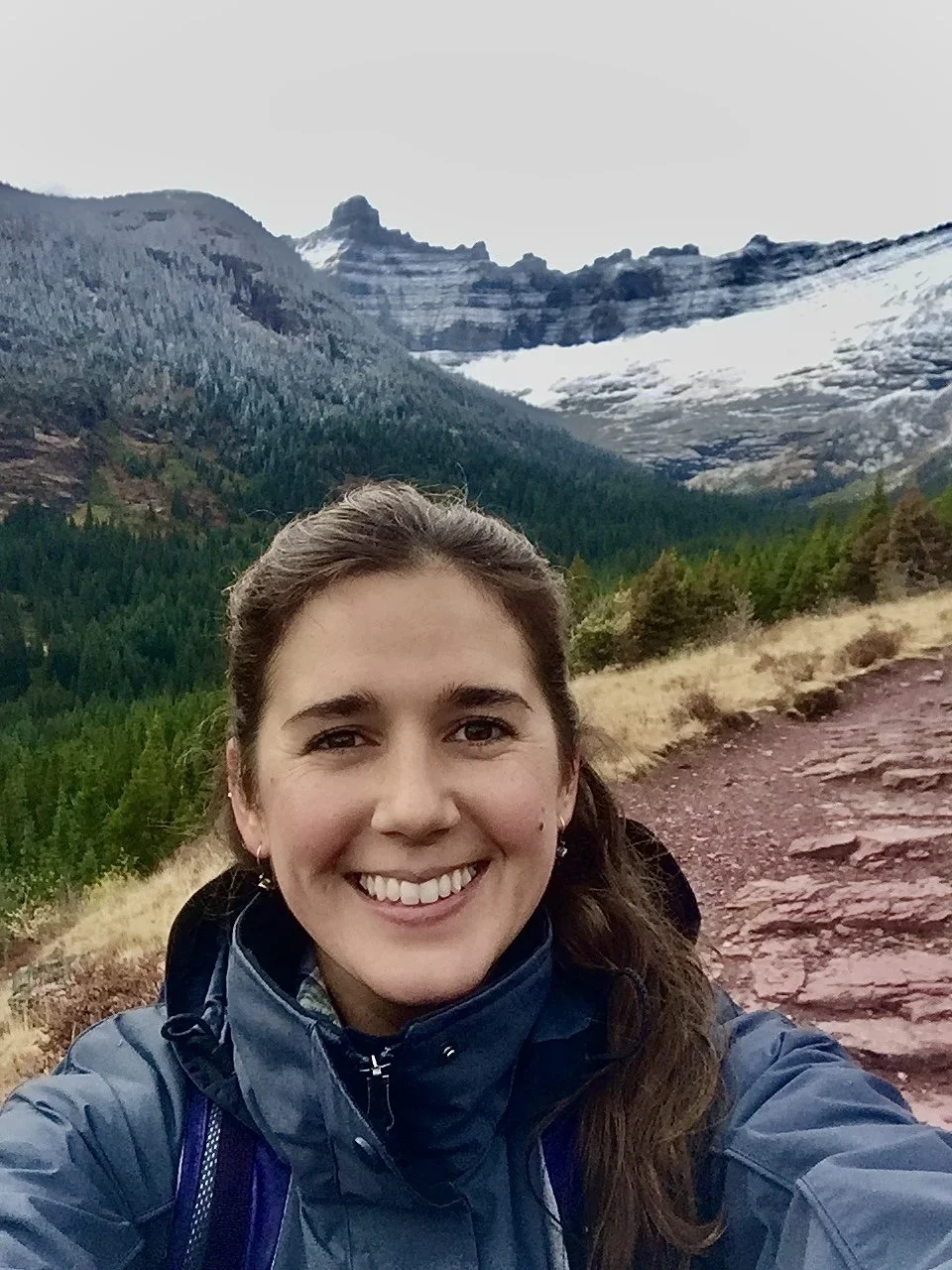
Danielle Bissett

Danielle Bissett is a Certified Ecological Restoration Practitioner and Assistant Director of Restoration Policy at the Environmental Policy Innovation Center, which she joined at the end of 2023. In her current role on the Restoration Team, she applies her practitioner experience to improve permitting processes and policies, accelerating high-quality restoration projects. Before joining EPIC, Danielle led restoration efforts at NYC Parks’ Natural Resources Group and Billion Oyster Project. At NYC Parks, she collaborated with partners and community groups to implement the Bronx River Intermunicipal Watershed Plan—a comprehensive ecological restoration approach that improves physical, ecological, and social conditions while reducing environmental stressors to the river and riparian areas. While working for Billion Oyster Project, Danielle played a pivotal role in shaping and advancing oyster reef habitat restoration in New York City. As Director of Restoration, she led and scaled the Restoration Department and strategically established several initiatives to assist the recovery of self-sustaining oyster populations in New York Harbor, which relied heavily on collaborative partnerships and a multi-habitat restoration approach. She holds a Master of Science in Environmental Policy from Bard College’s Center for Environmental Policy and a dual Bachelor of Arts in Environmental Studies and Anthropology from Adelphi University.

Next
Next

LSL Policy Lowdown: June 29–July 5, 2026