


4 Pillars for Permitting Innovation
The permitting reform space is growing fast, and there are clearly different philosophies for why this work is important, what values should guide us in identifying solutions, whether reform is even needed, and how we build a large enough coalition to make meaningful changes at all levels of government.

Thoughts on the ESA Amendments Act of 2025

Predicting DOGE AI Deregulatory Tool Recommendations

State SRF Policies: Dispatches From Our Water Webinar Series

California’s New Trailer Bill Is a Game-Changer for Environmental Contracts

Reimagining Forestry in the Digital Age: An Invitation to the Old Guard and the Next Generation

Utilizing EPIC Resources to Strengthen Texas SRF Analysis

Updates to our Permitting Tools Inventory
Fixing Bottlenecks in Lead Pipe Funding

Forbes Announces Jessie Mahr as Global Sustainability Leader!

Beyond Principal Forgiveness: Interest Rate Policies for SRF Loans
This blog discusses and demonstrates how targeted interest rate reductions can deliver affordability benefits comparable to Principal Forgiveness while preserving the revolving capacity of the SRF loan fund to the same degree.

NEPATEC2.0 - The Next Step in AI-Driven Permitting Innovation

Is the Juice Worth the Squeeze? Collecting Advisories for the National Drinking Water Tool
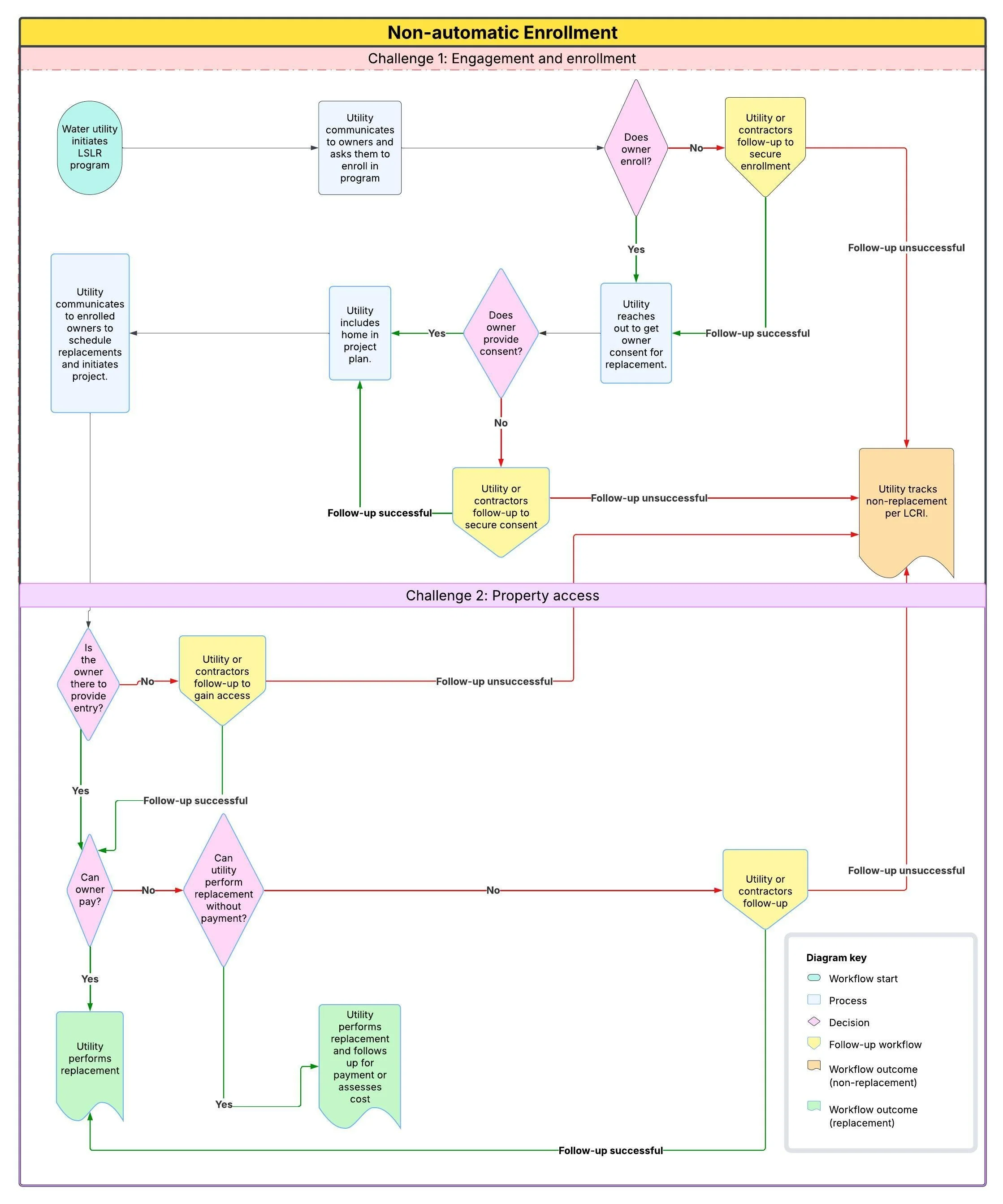
Automatic Enrollment Policies Make Lead Service Line Replacement Projects More Efficient by Addressing Common Workflow Challenges

The Garage Delivers Lead Pipe Survey Results in Avondale, PA

Clean Water State Revolving Fund Program Reauthorization
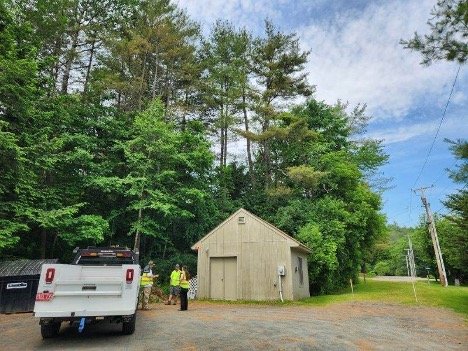
Digitizing the Past to Protect the Future: How Hopeworks Helped Hartford, VT Tackle Lead in Drinking Water

NEPA, CEQA and the winds of change

A Look At CEQ’s New CE Explorer
On June 5th, the CEQ’s Permitting Innovation Center released their first prototype experiment, the Categorical Exclusion Explorer. The Explorer is the first time a collection of cross-agency Categorical Exclusions (CEs) has been transformed into data for experimentation. This is still in the experimental stage, and we applaud the Permitting Innovation Center for releasing early-stage products and experiments. Early and iterative releases are ideal for gathering feedback and improving future releases.
We’ve discussed using existing environmental review data management and sharing as an area ripe for experimentation and innovation.
