Restoration Team Retreat | September 16–18, 2026 | Flathead Reservation, Montana
What does Indigenous-led restoration look like in practice?
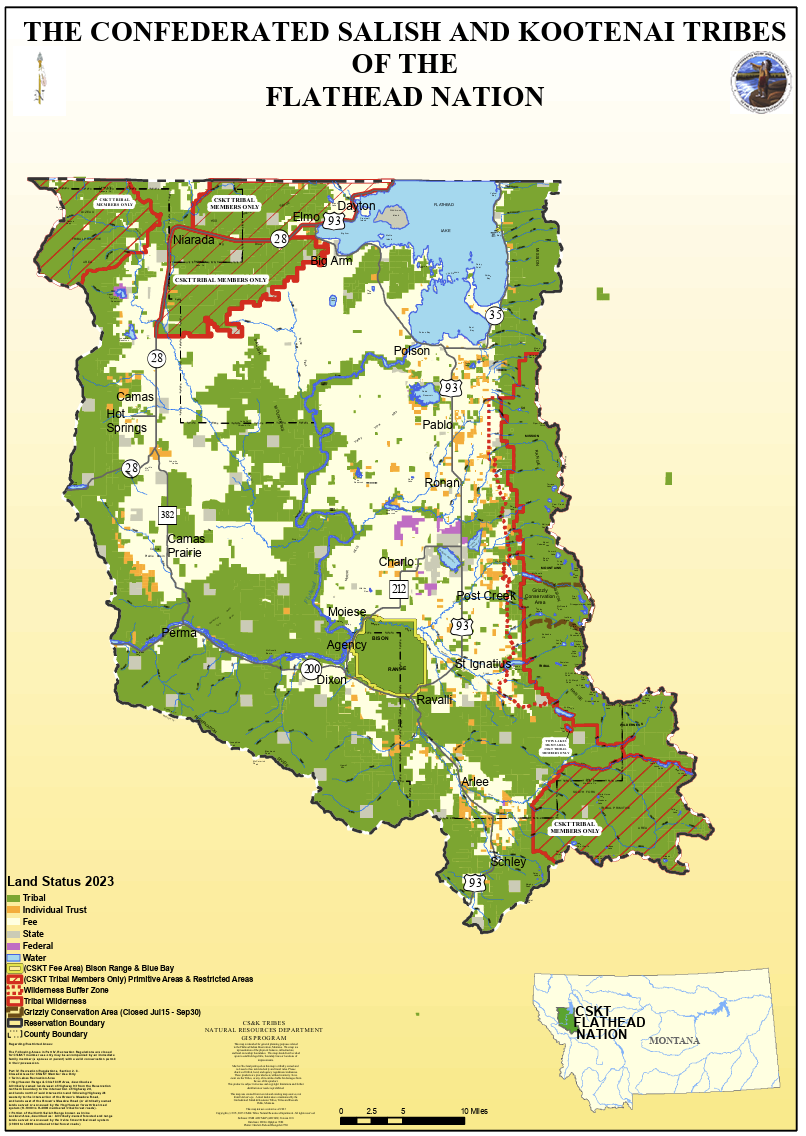
That was the question at the center of this year’s EPIC Restoration Team retreat on the Flathead Reservation in northwestern Montana. The Flathead Reservation encompasses approximately 1.3 million acres of forests, rangelands, wetlands, rivers, mountains, and the southern half of Flathead Lake—the largest natural freshwater lake west of the Mississippi River.
Over two days, our team learned about the Confederated Salish and Kootenai Tribes’ (CSKT) natural-resource programs, infrastructure, and cultural heritage. We saw firsthand how Indigenous-led conservation connects restoration with community, culture, economic opportunity, and long-term resilience. From managing a free-ranging bison herd and reconnecting wildlife habitat to collecting seed high in the canopy and growing native plants for future generations, we saw what stewardship looks like when restoration is rooted in place, culture, and community.
Stewardship on the Bison Range
Our first full day began at the CSKT Bison Range, an 18,766-acre landscape managed for bison, wildlife, conservation, and public recreation. The Range is home to roughly 350 bison and was returned to CSKT management in 2022 after more than a century of federal management.
After a tour of the visitor center and museum, Whisper Camel-Means, Division Manager with the CSKT Division of Fish, Wildlife, Recreation and Conservation, gave us a behind-the-scenes look at the challenges of operating and expanding a nationally significant conservation and recreation destination. The Tribe is balancing growing visitation with the needs of wildlife, research, education, and infrastructure—from expanded visitor facilities and research capacity to diversified funding and even electric vehicle charging stations. One charging station, we learned, was recently torn out by a bull elk!
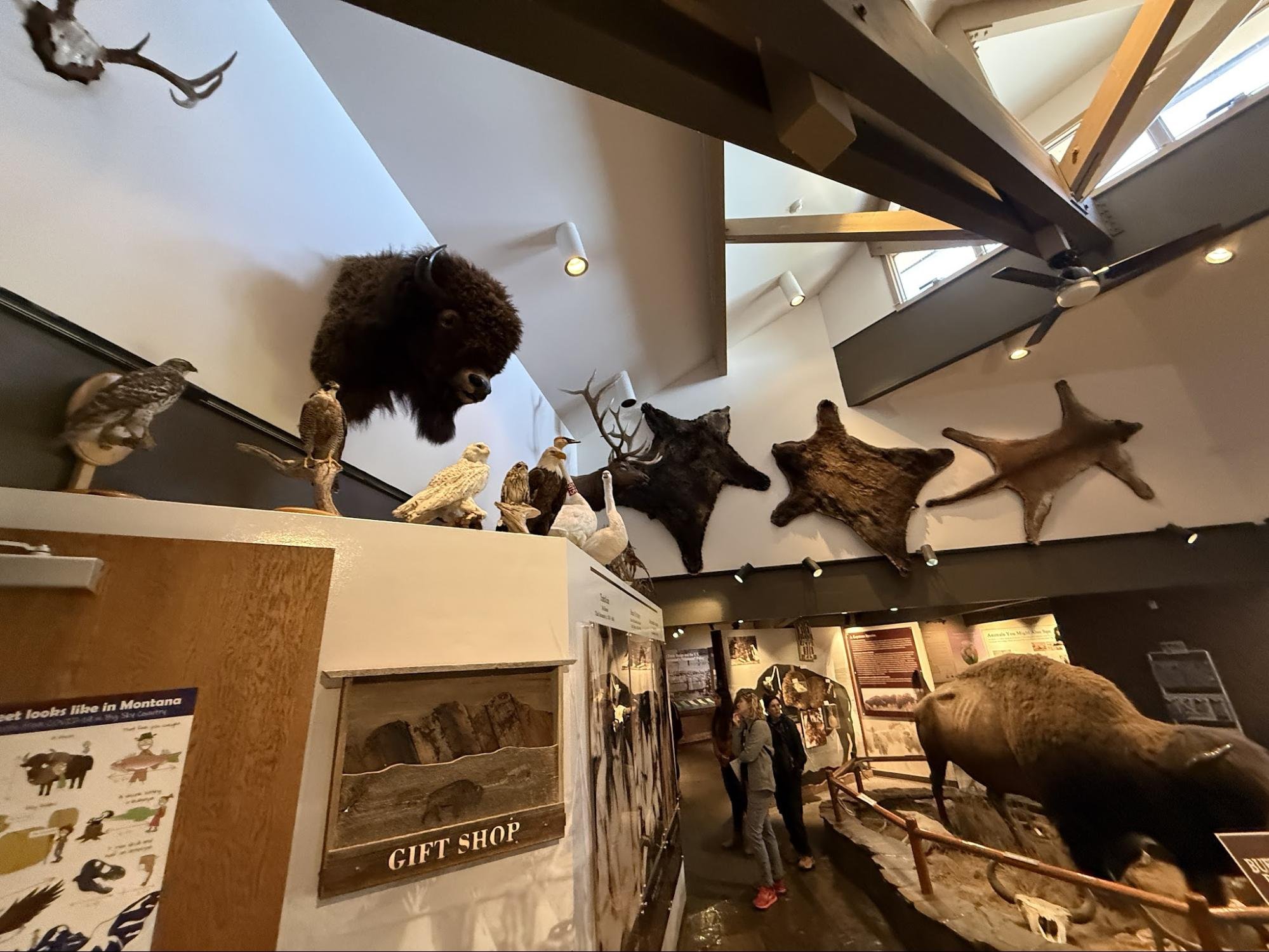
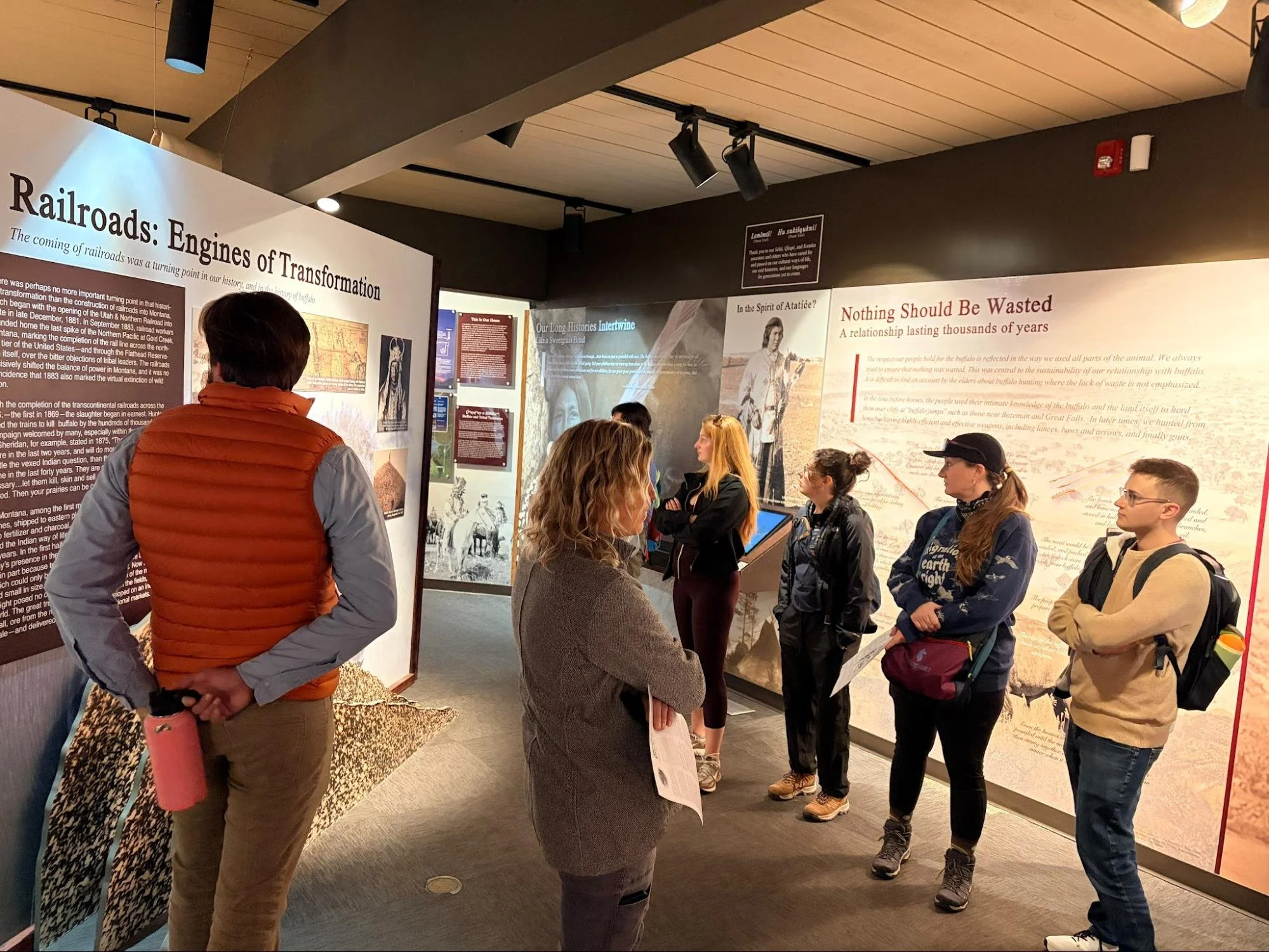
The CSKT Bison Range Visitor Center and Museum provides an exceptional array of natural and cultural history of the CSKT Bison Range.
Then we headed into the Range. Along the 19-mile Red Sleep Drive, we watched bison grazing and raptors circling overhead before encountering a black bear foraging along a creek bed. At the summit, we were treated to sweeping views of Flathead Valley, Flathead Lake, and the Mission Mountains. On the descent, we encountered multiple bison herds along with, white-tailed and mule deer, birds, and pronghorn—the fastest land mammal in North America.
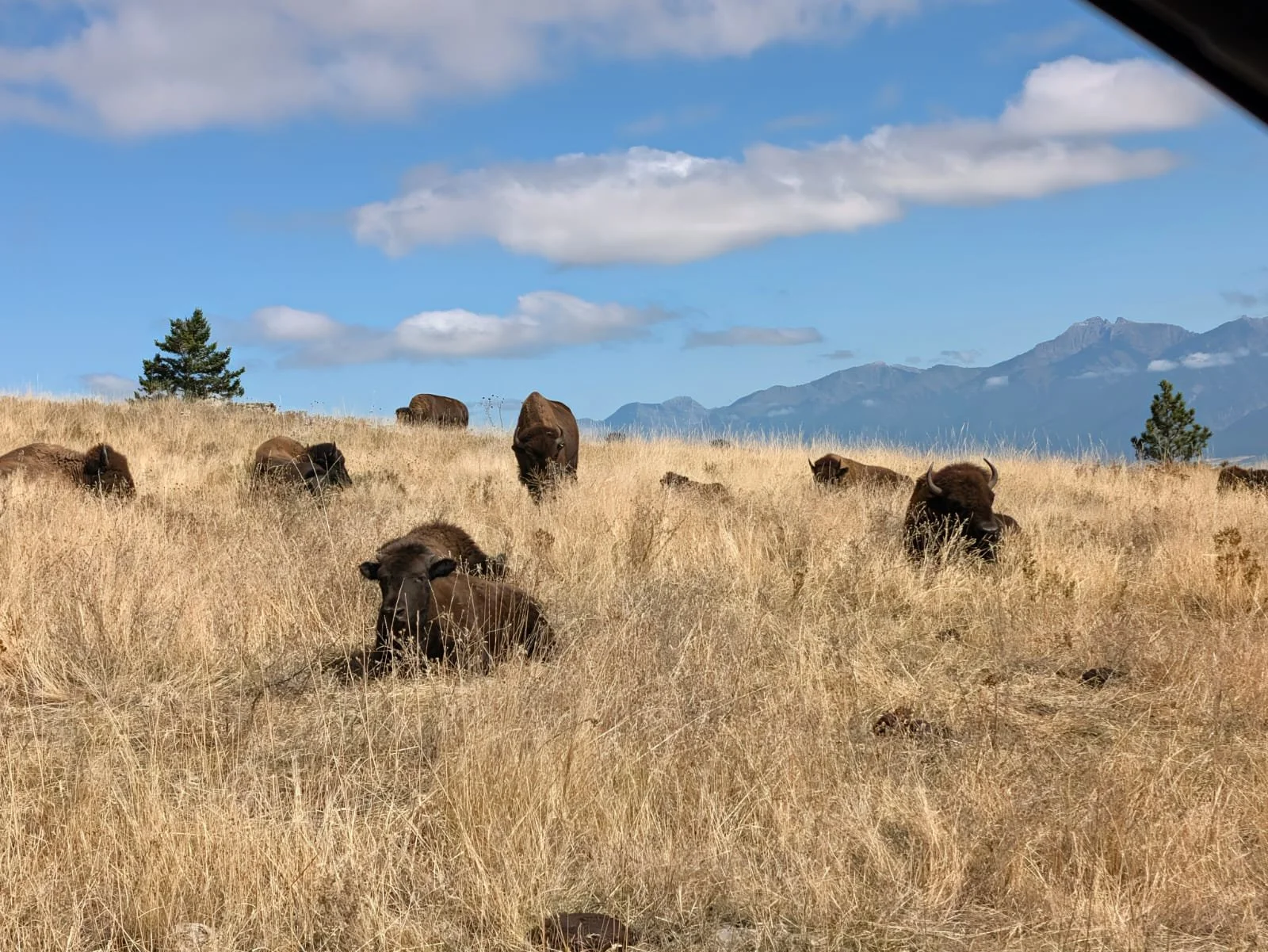
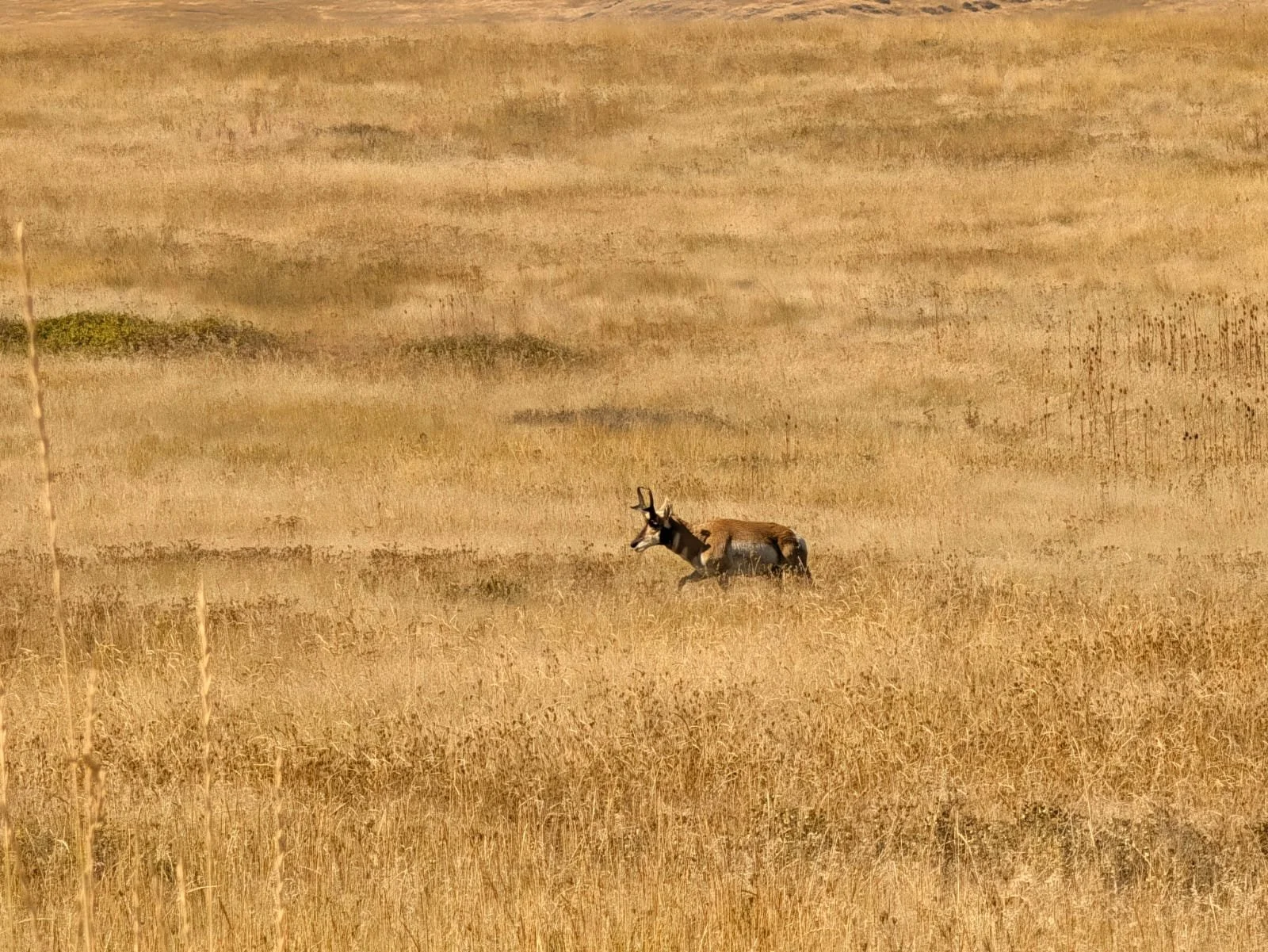
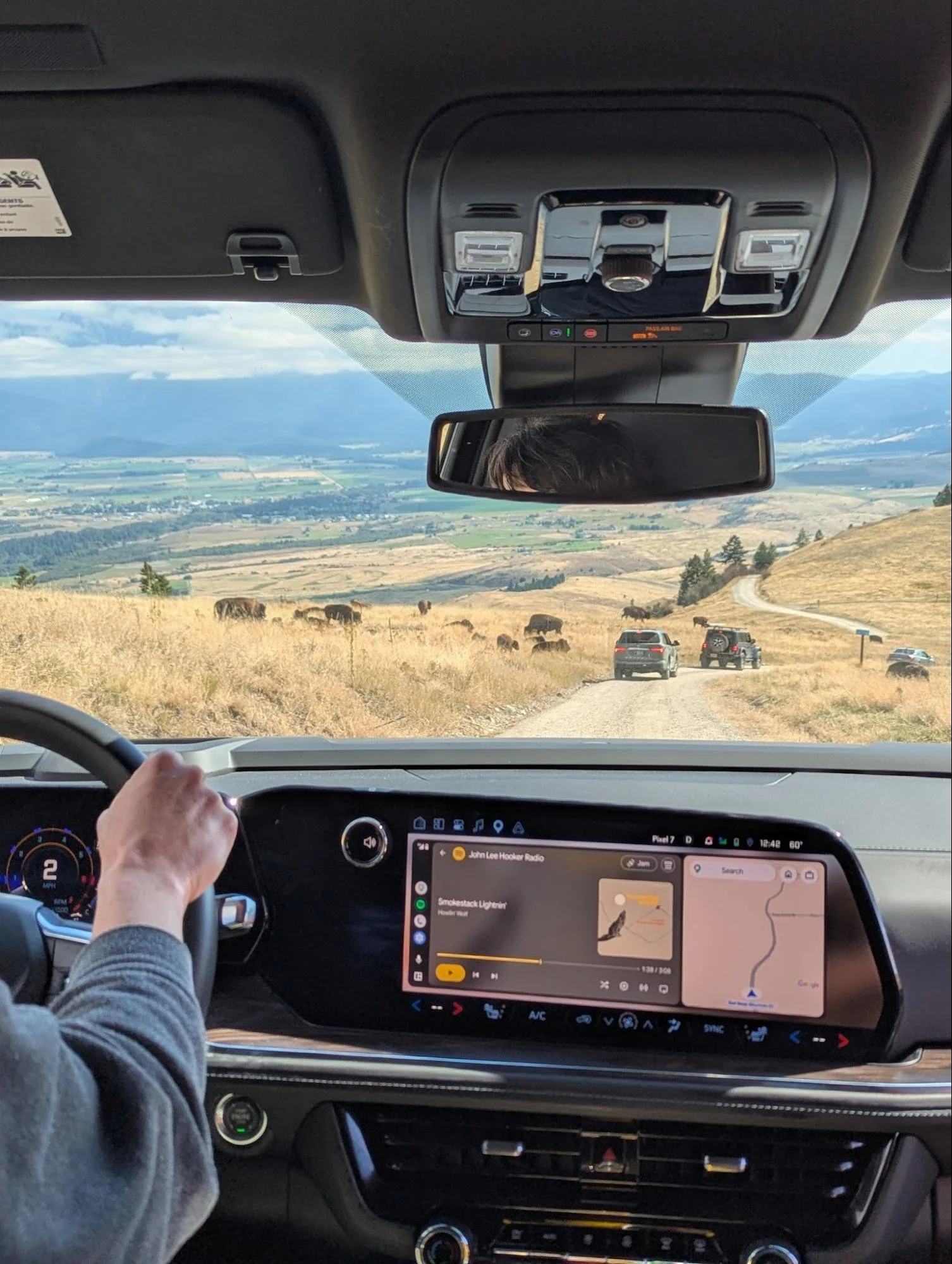
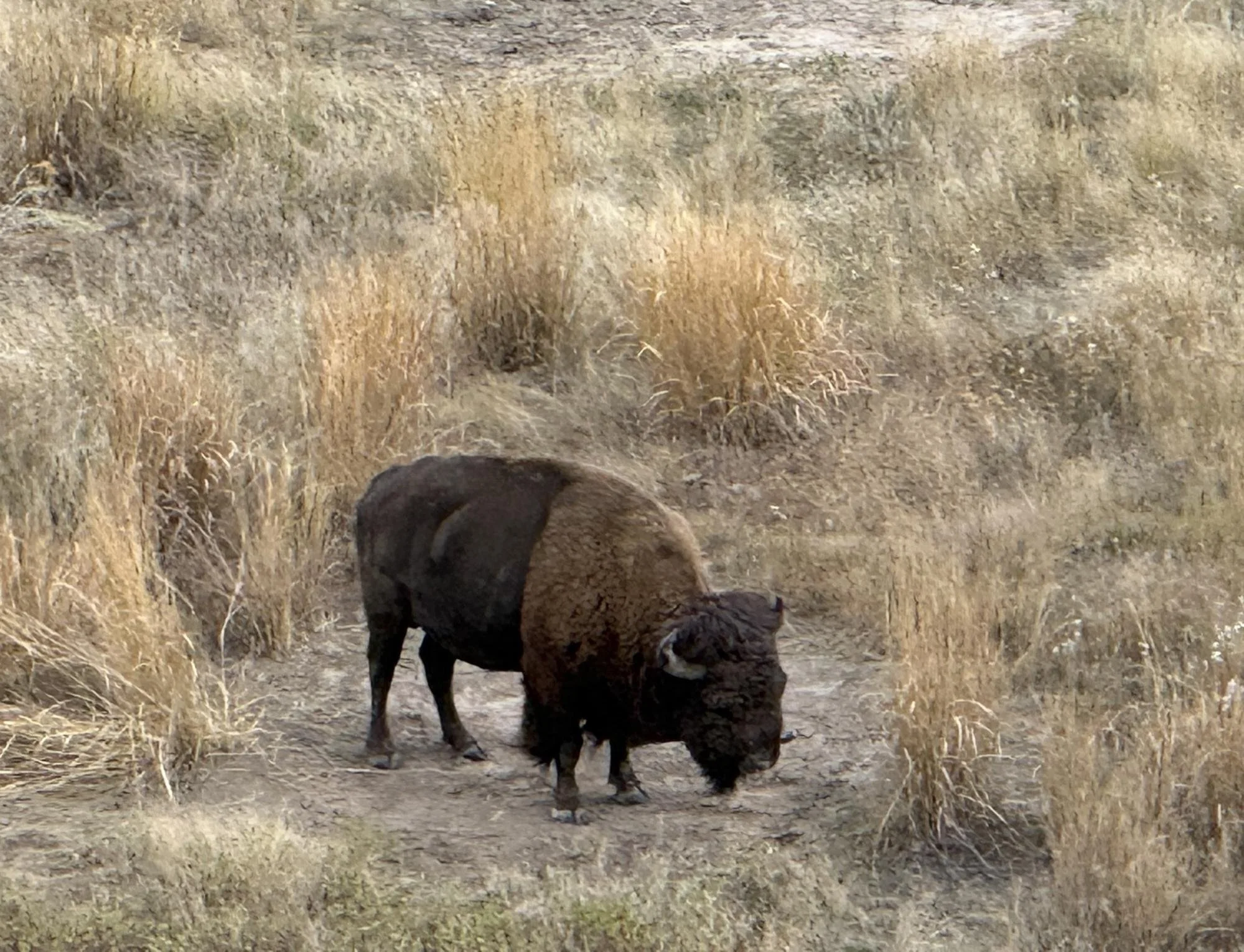
Abundant wildlife, proximity, and diversity make the CSKT Bison Range a rewarding experience for all visitors.
We also learned about the dynamics of the bison herd: large groups of females and calves form the core of the herd, while smaller groups of bulls become more prominent in the fall. Seeing these animals moving through a landscape intentionally managed for their conservation made the connection between wildlife management, ecological restoration, and cultural stewardship tangible.
From the Mission Mountains to Wildlife Crossings
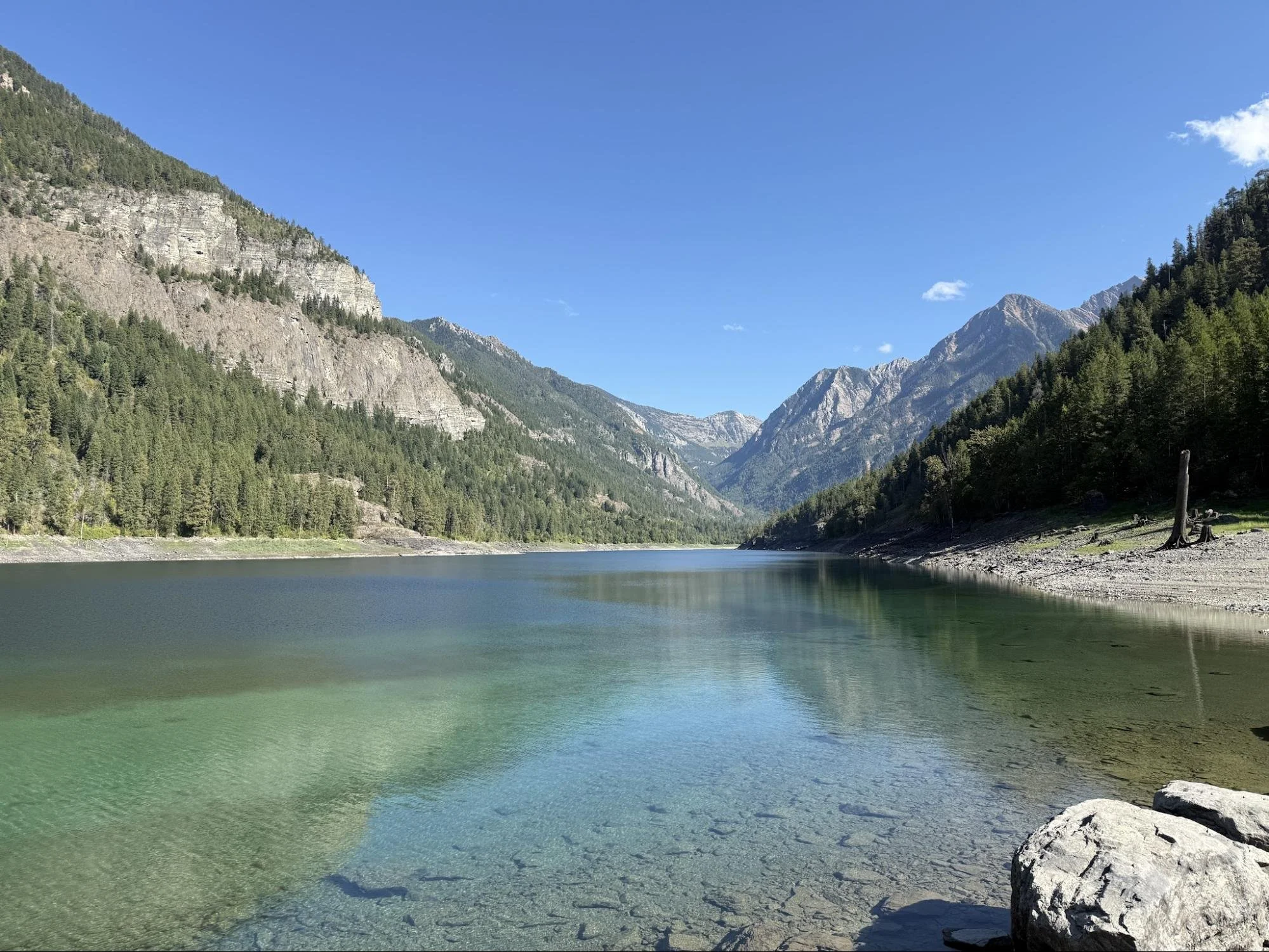
From the Bison Range, we crossed the Reservation toward the Mission Mountains and McDonald Lake, where we met with a CSKT Game Warden. His slightly delayed arrival offered a real-time reminder of the challenges of wildlife management: he had been responding to a vehicle collision involving a bear cub.
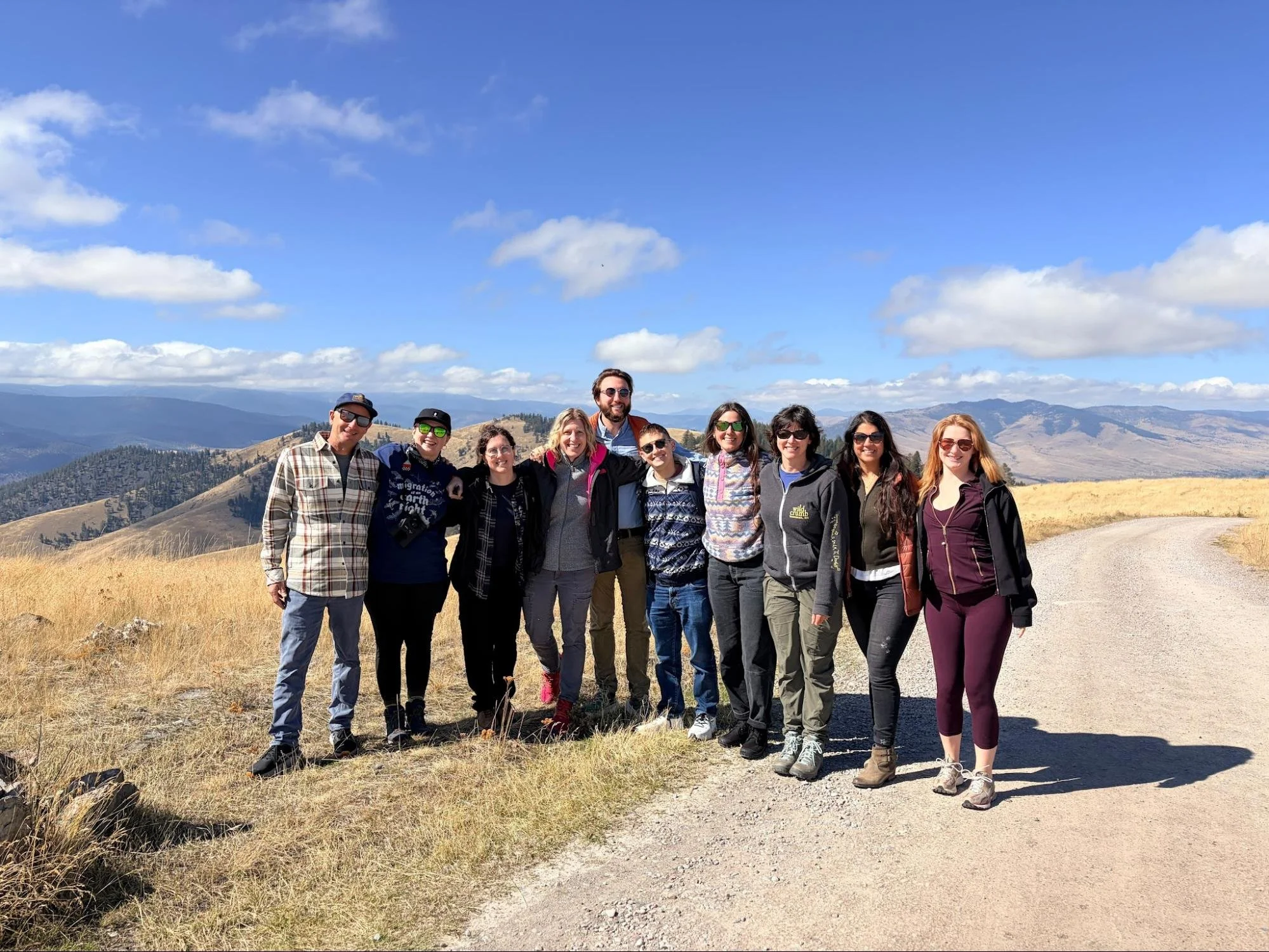
At the lake, we learned about the Tribe’s extensive responsibilities for fish and wildlife management, including hunting, fishing, recreation, and conservation. We also took a short hike along the lake shore for a team photo with the glaciers in the background.
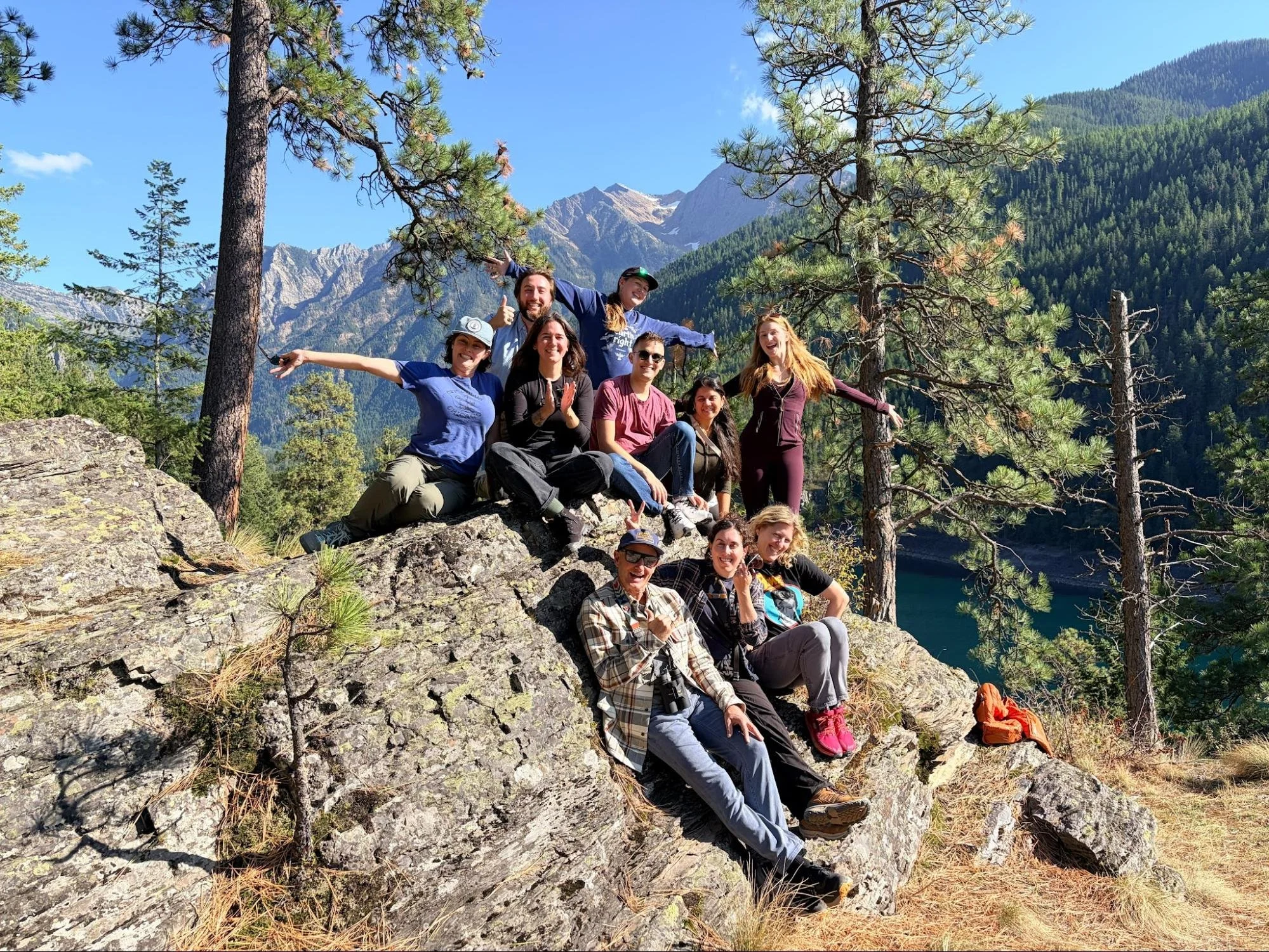
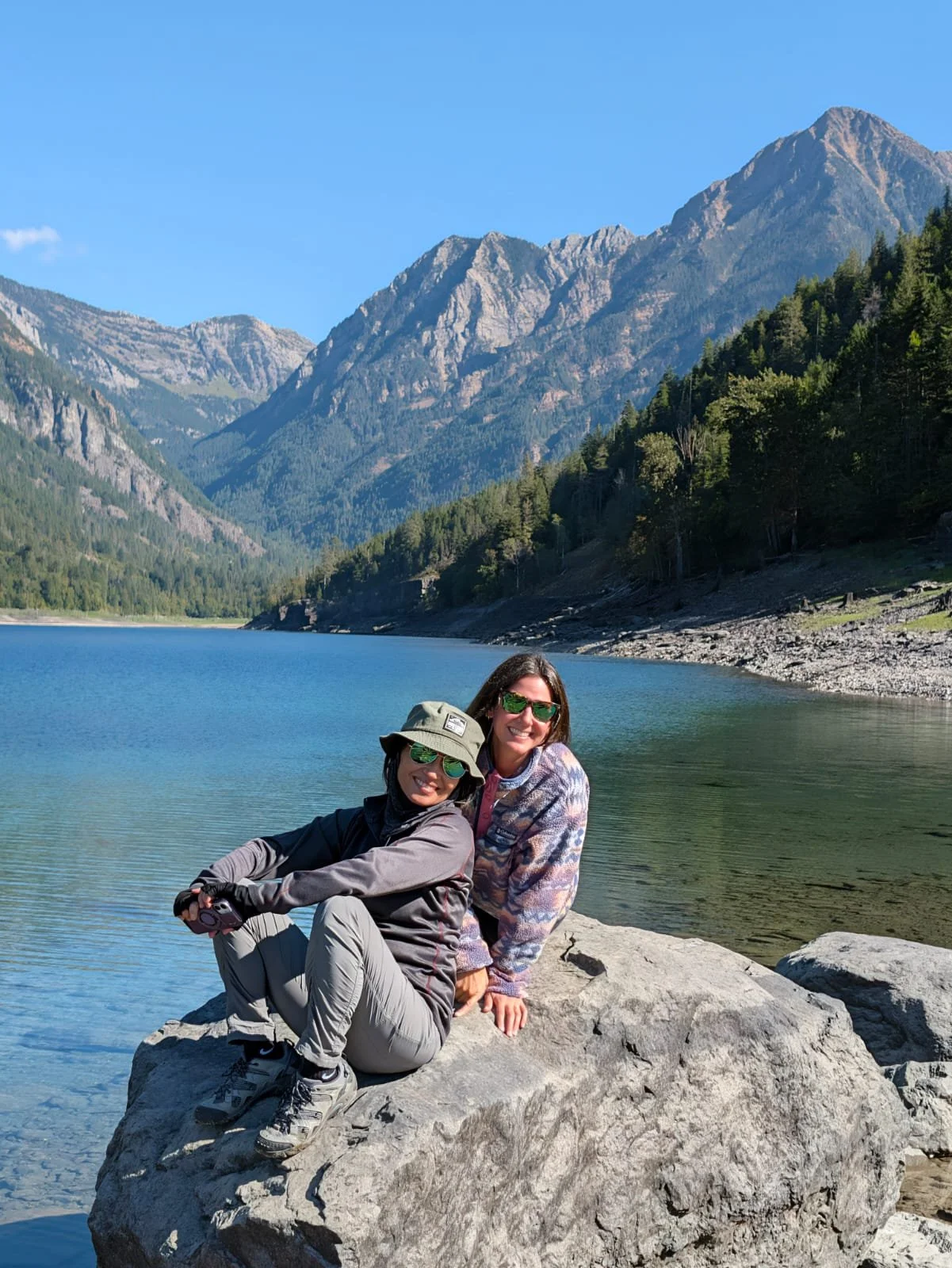
Our team especially enjoyed our time reconnecting with the mountains while visiting McDonald Lake.
Our final stop was one of the Reservation’s wildlife crossings along U.S. Highway 93. CSKT helped pioneer landscape-scale wildlife connectivity during the highway’s expansion in the 1990s, incorporating a network of overpasses and underpasses to reconnect habitat and reduce wildlife-vehicle collisions.
For EPIC staff who work on habitat connectivity and aquatic and terrestrial organism passage, seeing these crossings in the landscape was especially meaningful. The Reservation was addressing wildlife habitat connectivity decades before it became a major focus of transportation planning nationwide. To see how this initiative is serving as a lesson to others, see our newly released report BUILT TO LAST: Resilient Road-Stream Crossings for People, Fish, and Wildlife.
Growing Restoration from Seed
The following morning, we visited the CSKT Forestry Department’s Greenhouse and Restoration Nursery, where seed collection and propagation support restoration across the Reservation.
One of the most memorable conversations centered on the Tribe’s whitebark pine restoration initiative. Reba Hawkins described the importance of whitebark pine as a culturally significant species and the threats posed by blister rust and bark beetles. The Tribe is identifying resilient trees and collecting their seed to propagate a new generation that can help sustain the species for future generations.
Collecting that seed means going into the canopy.
Tree climber, Shayne Pierre, demonstrated the techniques used to climb mature whitebark pine, establish collection systems, and safely capture cones. The work requires technical climbing skills, certification, and the confidence to work in mountain conditions ranging from wind and frost to fog.
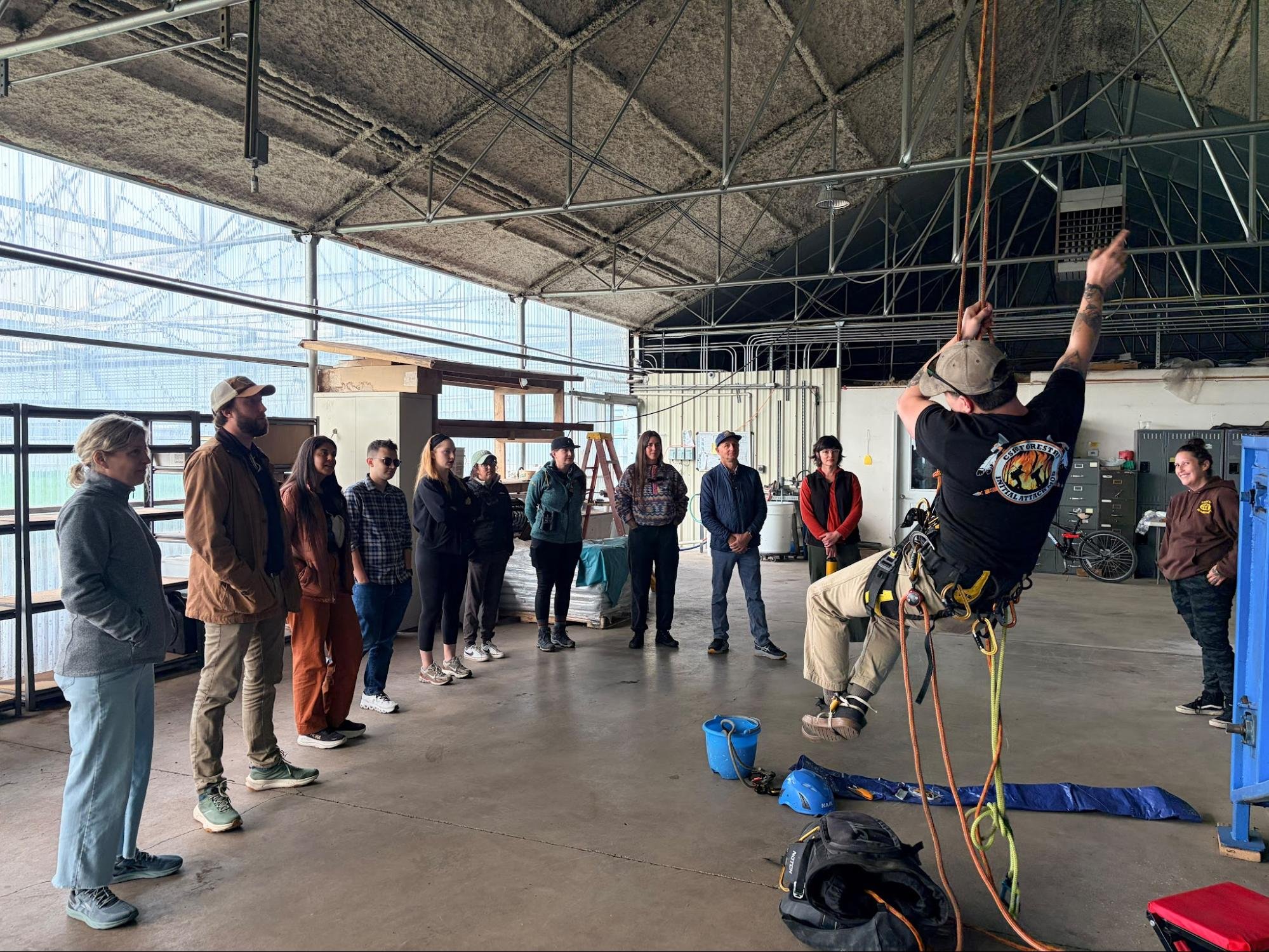
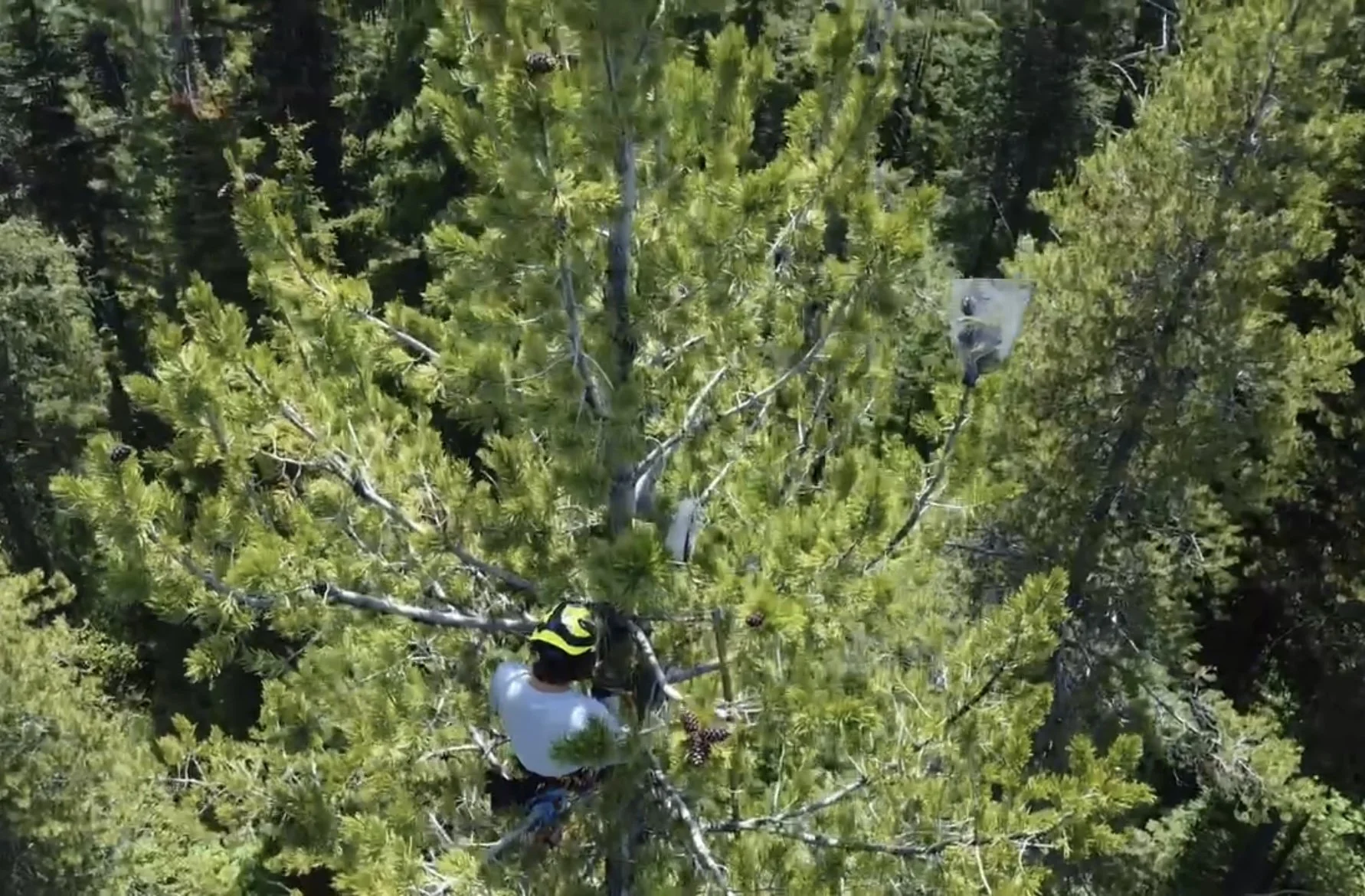
It was a vivid reminder that restoration does not always involve excavators or heavy equipment. Sometimes it means climbing a 70-year-old tree to select the genetic material that could help sustain a more disease-resistant species for generations.
The nursery currently operates four greenhouse bays capable of supporting hundreds of thousands of seedlings, with an expansion underway that will more than double capacity. Matt Ogden, Greenhouse and Restoration Nursery Manager, also shared a vision for developing a seed bank focused on Tribal food security, both for CSKT communities and potentially in partnership with Tribes across the country.
We wrapped up the visit by meeting Linda, a nursery caretaker and CSKT member, whose enthusiasm for the work captured a theme we heard repeatedly throughout the trip: “I love my job!”
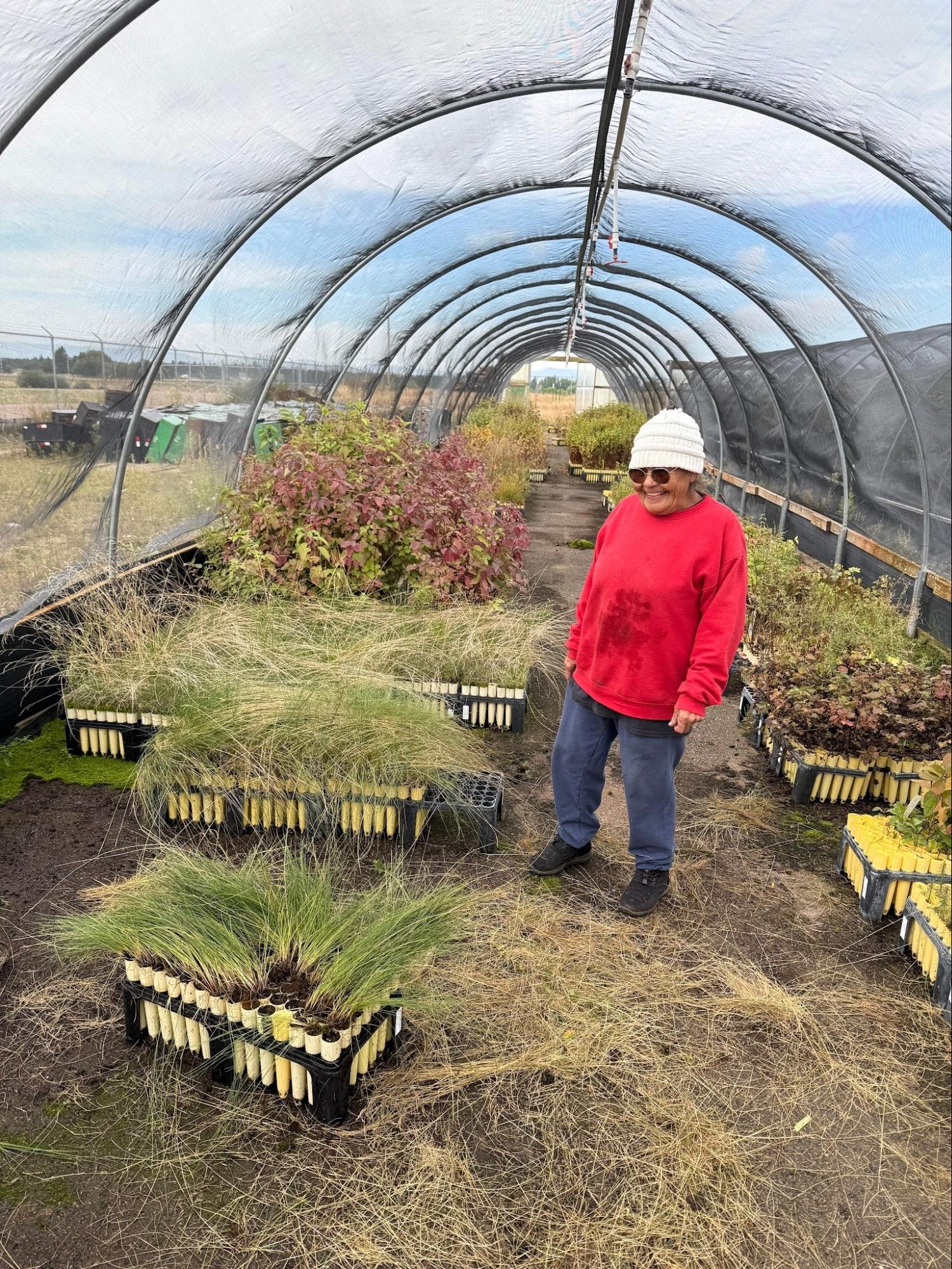
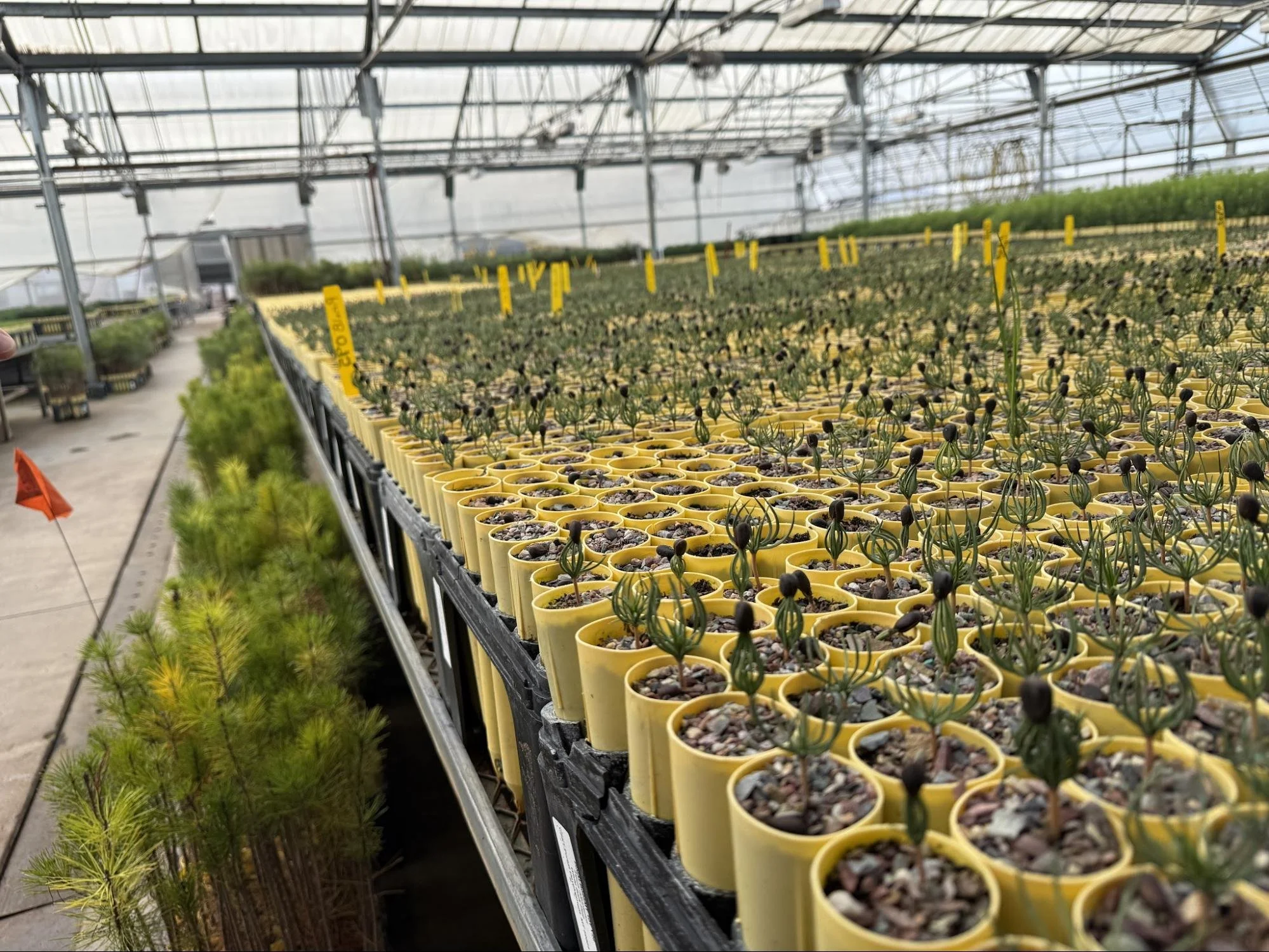
An enthusiastic CSKT tribal member (Linda) prepares grass plugs for planting at the CSKT Bison Range. The CSKT Forestry Department manages the extensive green house complex and is currently tripling its capacity for tribal food security.
Reba offered another perspective that stayed with us. She described how working with natural resources and restoring landscapes contributes to her own healing and to the healing of her community.
Restoration as Community Stewardship
Our final stop was the CSKT dam and hydroelectric facility, another example of the scale at which the Tribes manage natural resources, infrastructure, and community assets. We also passed the Salish Kootenai College, Tribal offices, businesses, and other community infrastructure in and around Polson.
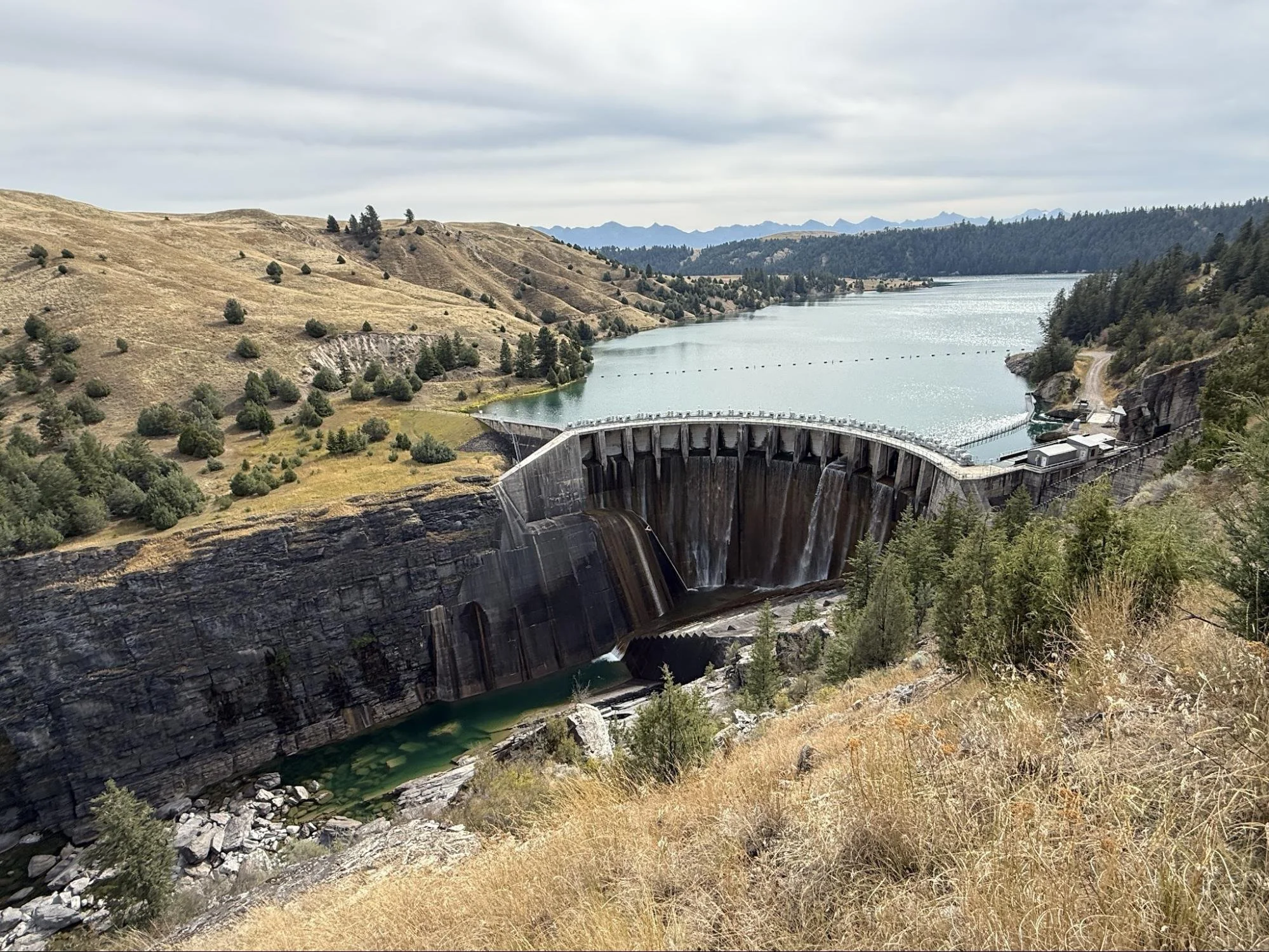
The experience broadened our understanding of what Indigenous-led restoration can mean. It is not limited to an individual project, species, or ecosystem. It can encompass wildlife, forests, water, energy, transportation, food security, cultural resources, and economic development—all connected through stewardship of place.
That connection was perhaps the most important lesson of the retreat.
Throughout our work with Tribal partners, we see how healthy ecosystems and healthy communities reinforce one another. Restoring a watershed can improve water security. Reconnecting habitat can restore wildlife movement. Restoring native plants can support cultural practices. Building restoration capacity can create jobs and strengthen communities.
Our time on the Flathead Reservation brought those connections to life—from bison roaming an 18,766-acre landscape, to wildlife crossings spanning a major highway, to seed collectors climbing high into whitebark pine, to a nursery growing the next generation of native plants.
And through it all, we were reminded that restoration is ultimately about people as much as landscapes.
That idea resonates deeply with EPIC’s work: improving environmental outcomes while strengthening the people and communities who depend on healthy ecosystems.
We left Montana with a deeper appreciation for the people doing this work every day, and a renewed motivation to help advance restoration that delivers both environmental progress and stronger, more resilient communities.