Extreme weather and climate-related hazards, including flooding, wildfires, and drought, are putting communities at growing risk of loss and damage. Restoring and maintaining healthy ecosystems and natural infrastructure can help reduce these risks and provide important protective benefits. However, funding and financing ecosystem restoration remain significant challenges.
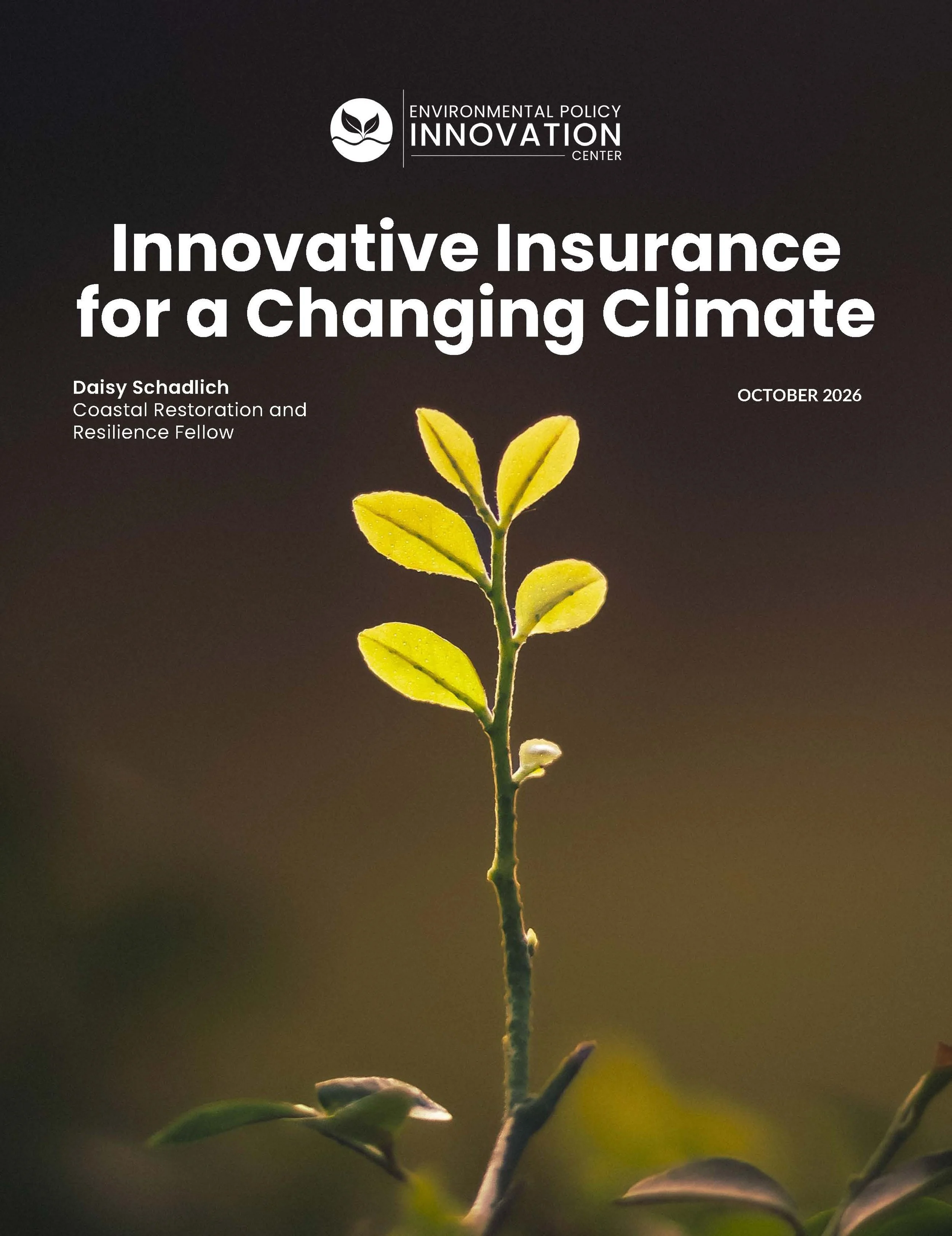
In this report, EPIC Coastal Restoration and Resilience Fellow Daisy Schadlich explores how insurance could help create financial incentives for investment in nature-based solutions while strengthening protection against climate hazards and weather-related disasters. The report examines innovative approaches, including community-based catastrophe insurance and parametric insurance, and the importance of recognizing the risk-reduction benefits of these solutions in insurance underwriting and pricing.
Drawing on a literature review, expert interviews, and case studies from California and Louisiana addressing wildfire and flooding, the report assesses opportunities and challenges associated with these insurance approaches.
The findings highlight the potential for innovative insurance to help close disaster protection gaps, while emphasizing the need for supportive policy frameworks, cross-sector partnerships, and complementary funding sources to advance investment in nature-based solutions.