Earlier this summer, I traveled to Yreka, California, for the annual California Fish Passage Forum (CAFPF) Steering Committee meeting, where members gathered not only to discuss fish passage priorities, but also to spend a day on the Klamath River with the Tribal, agency, and nonprofit partners leading its monitoring, restoration, and long-term stewardship following the largest dam removal project in U.S. history. Like many people, I was drawn to the Klamath River because of the significance of the project. But after spending several days in the basin, I realized the dams are only part of the story.
At its core, this is an Indigenous-led restoration effort led by the Yurok, Karuk, Klamath, and Hoopa Valley Tribes in partnership with Tribal organizations such as Ridges to Riffles. Their approach recognizes watersheds as interconnected systems rather than a collection of isolated projects. The work extends far beyond restoring fish passage. It seeks to restore the natural and cultural resources that sustain Indigenous communities while advancing watershed health, rebuilding anadromous fish populations, strengthening Tribal sovereignty, enhancing climate resilience, and supporting community well-being across the entire Klamath Basin.
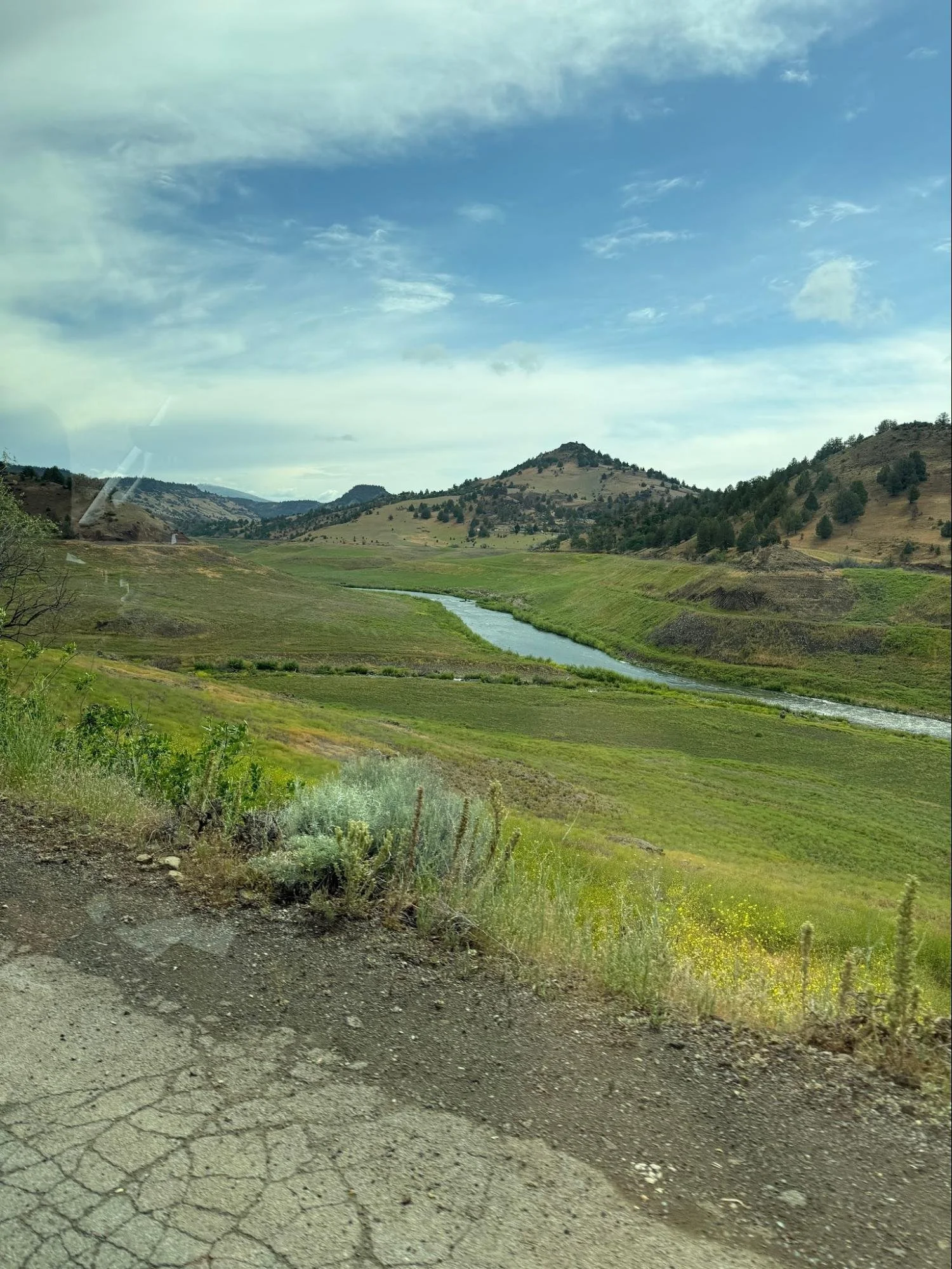
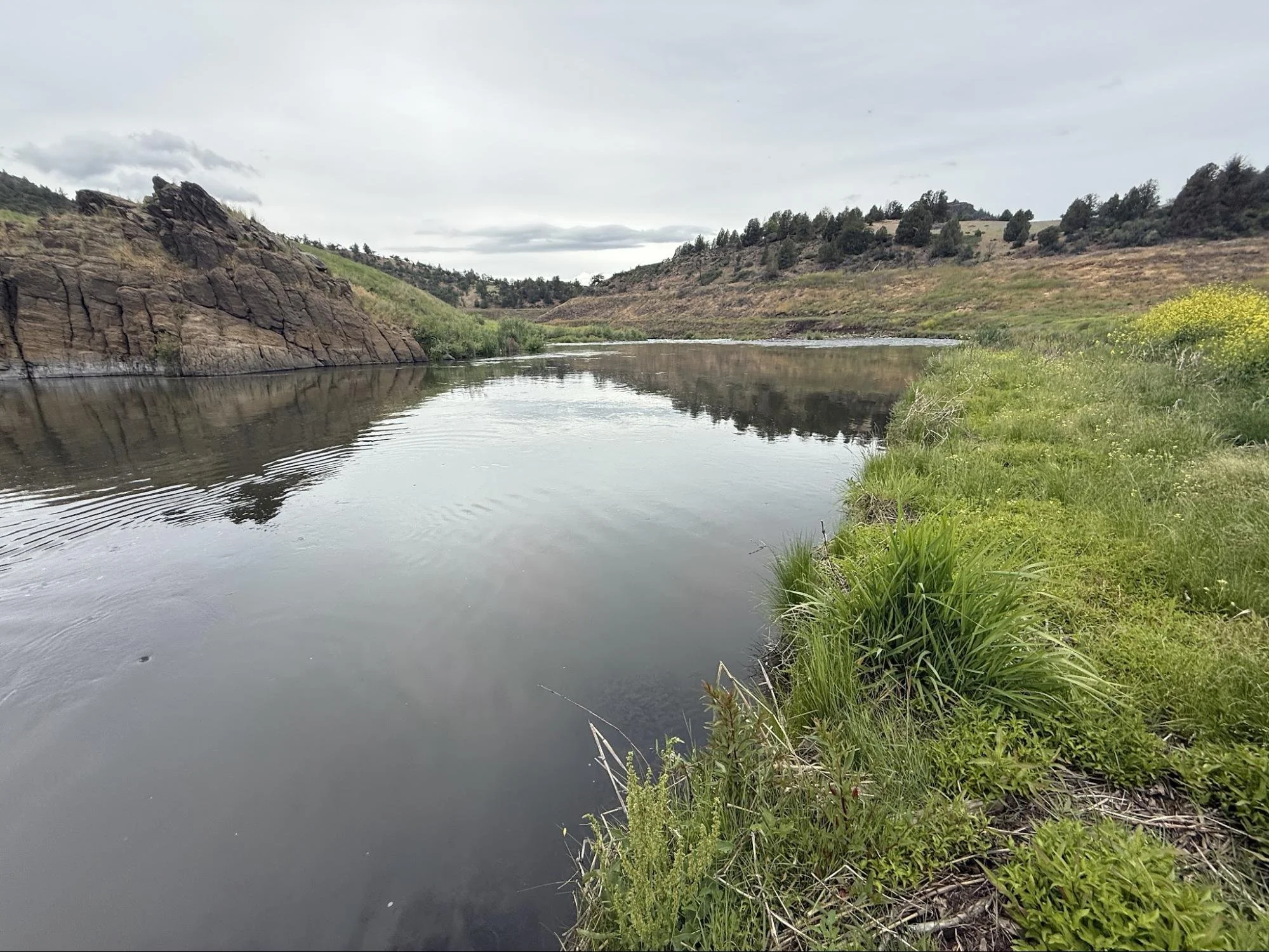
Klamath River flowing through the basin of the former Copco Reservoir. (Photos courtesy of Garrett Altmann and/or the California Fish Passage Forum)
That philosophy closely mirrors EPIC's work with Tribes in New Mexico and informs our Scaling Restoration Initiative, which seeks to replicate watershed-scale restoration models across priority basins throughout the West.
Ultimately, the lesson that resonated most with me wasn't ecological—it was social.
On my flight into Medford, I found myself seated next to an elderly woman who had spent much of her life visiting Copco Reservoir. She supported removing the dams because she believed restoring salmon was the right thing to do and understood what healthy fish populations mean for the Tribes that have depended on the Klamath since time immemorial. Yet despite supporting the project, she told me she had no desire to return to the reservoir after the dams came out. It wasn't because she opposed the restoration. It was because Copco was where she had learned to fish, camped with her family, and built decades of cherished memories. She wasn't sure she wanted to see those places transformed, fearing the emotional weight that change might bring.
That conversation stayed with me.
I've witnessed similar emotions while working alongside the Santa Clara Pueblo Tribe in New Mexico.
Over the past two decades, multiple wildfires ignited outside the reservation and burned into the Pueblo's 38,000-acre watershed. Combined with prolonged drought and increasingly intense post-fire flooding, those fires culminated in debris flows that scoured the canyon, buried historic ponds beneath sediment, breached dams, and transformed a landscape that had served as the community's recreational and spiritual sanctuary for generations.
The traditional name of Santa Clara Pueblo—Kha'P'o Owingeh, or "Valley where the Wild Roses Grow" – reflects the deep relationship between the people and the land. For many Tribal members, returning to the canyon today means confronting the loss of places that hold a lifetime of family memories.
Some continue to visit. Others choose not to.
I understand both perspectives.
As someone fortunate enough to work alongside tribal communities, yet also somewhat removed from their personal histories, I've come to appreciate that restoration often requires grieving what was, before embracing what could become.
But I've also learned that change creates opportunities for renewal.
That renewal was impossible to ignore on the Klamath.
Floating through the former Copco Lake basin, we watched the river rapidly reclaim its historic floodplain. The water was alive with aquatic insects and juvenile fish. Fresh vegetation blanketed the newly exposed valley floor. Beaver activity was widespread along the banks, fox kits emerged from a den amid the rubble of the former Iron Gate Dam, while waterfowl and raptors were seemingly everywhere we looked. Less than two years after dam removal, ecological processes were already reestablishing themselves.
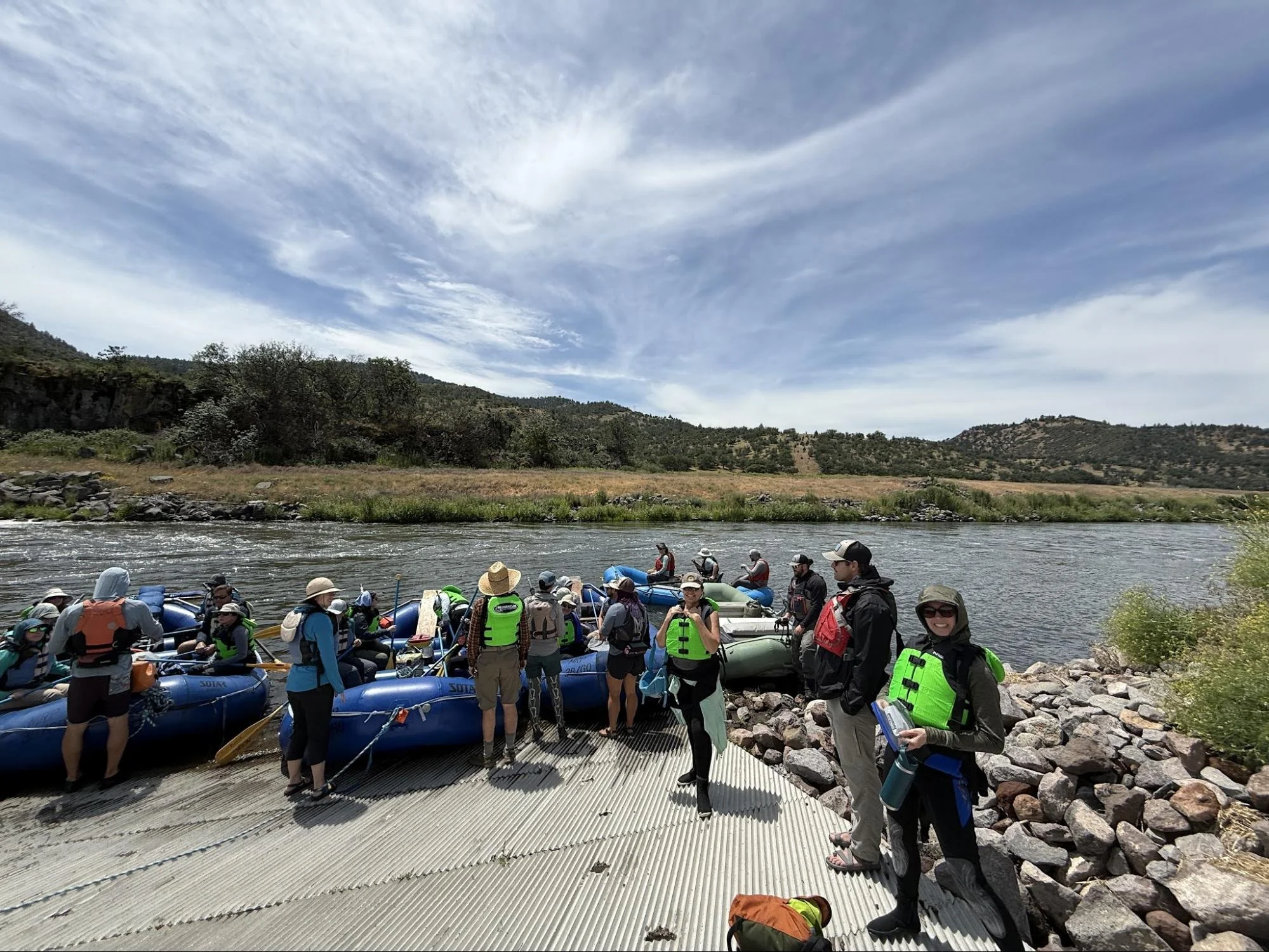
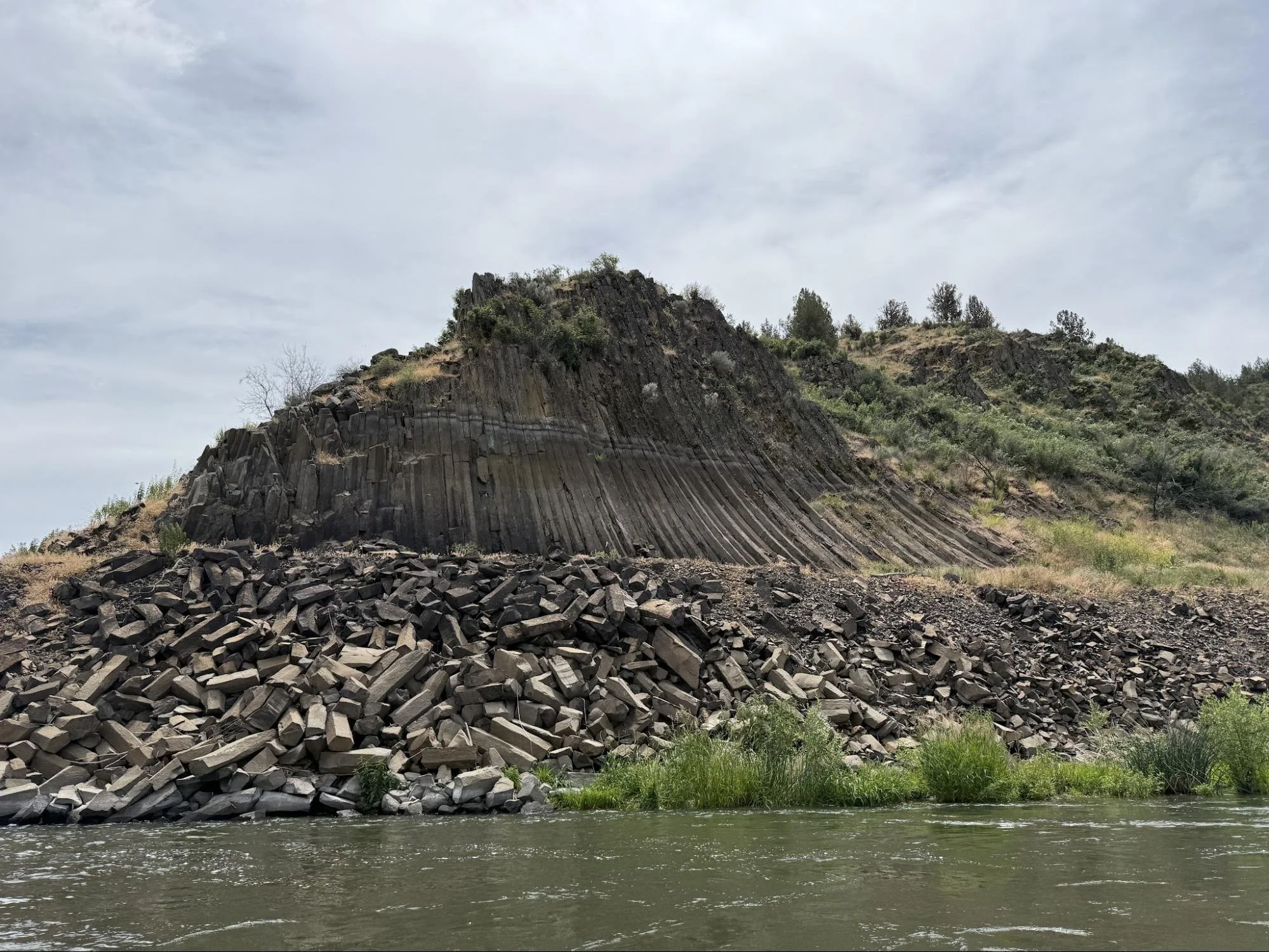
Areas previously submerged are now visible and teeming with new life along the Klamath River in the former Copco Reservoir basin.
The recovery wasn't simply visible. It was unmistakable.
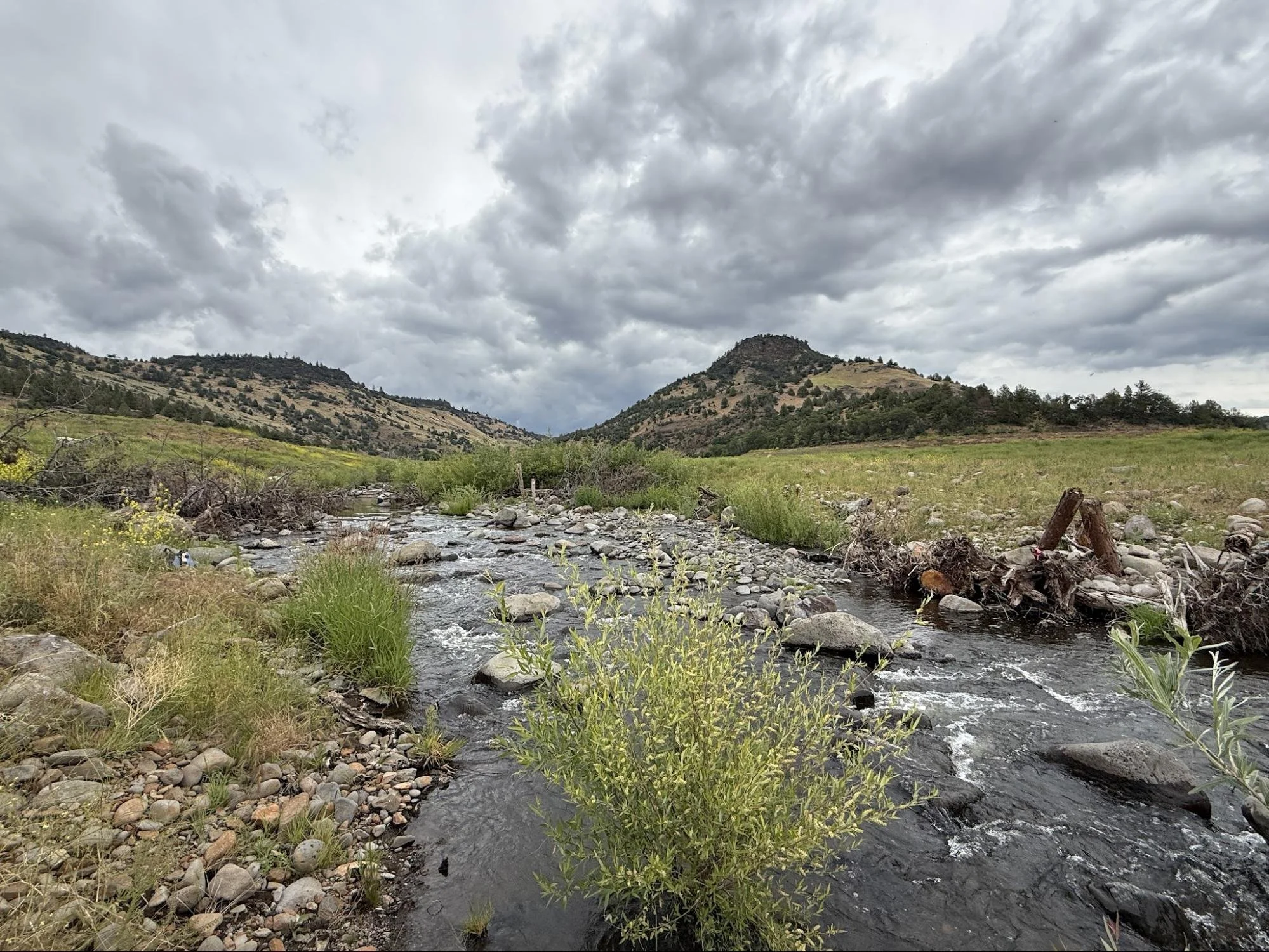
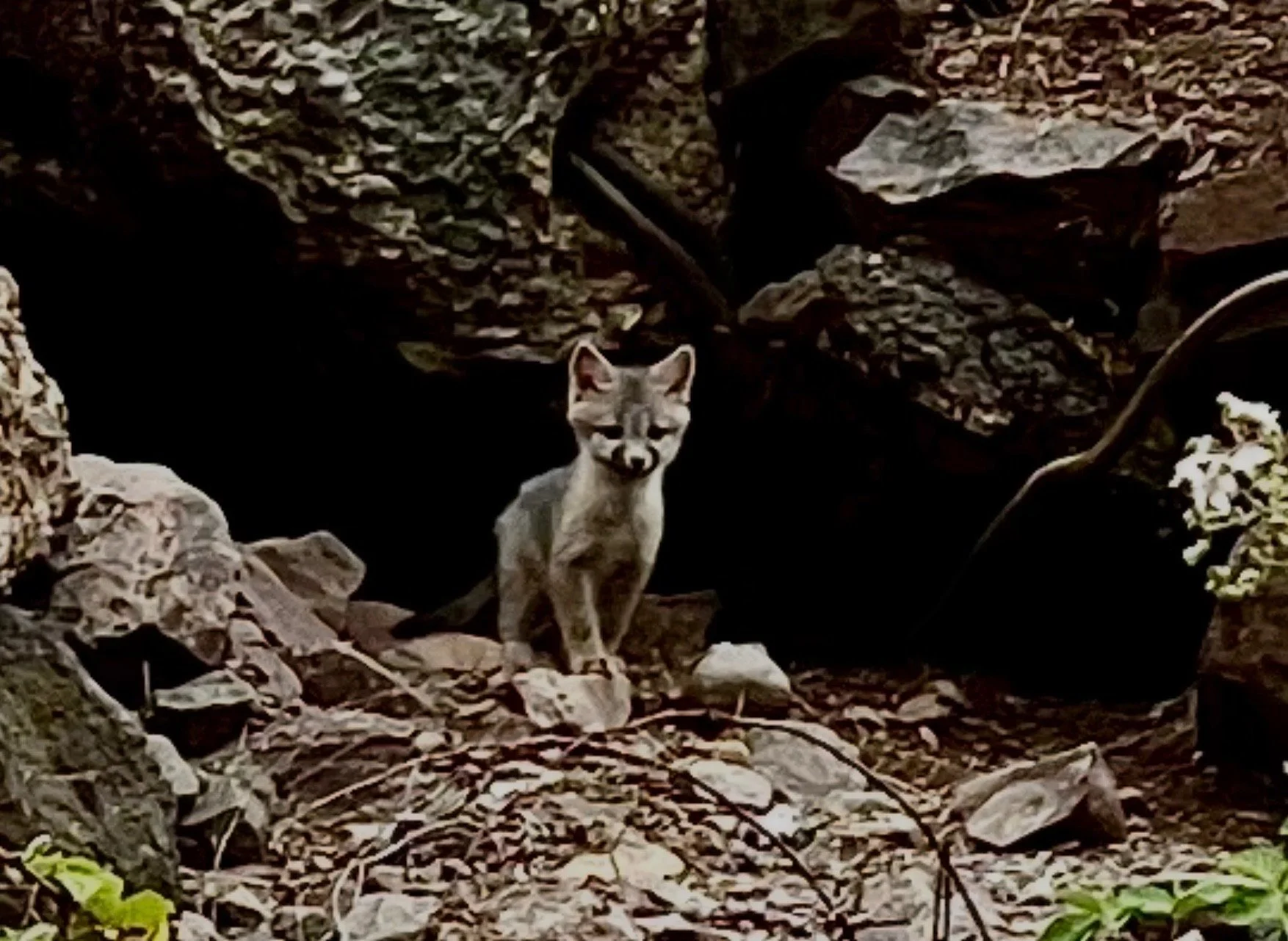
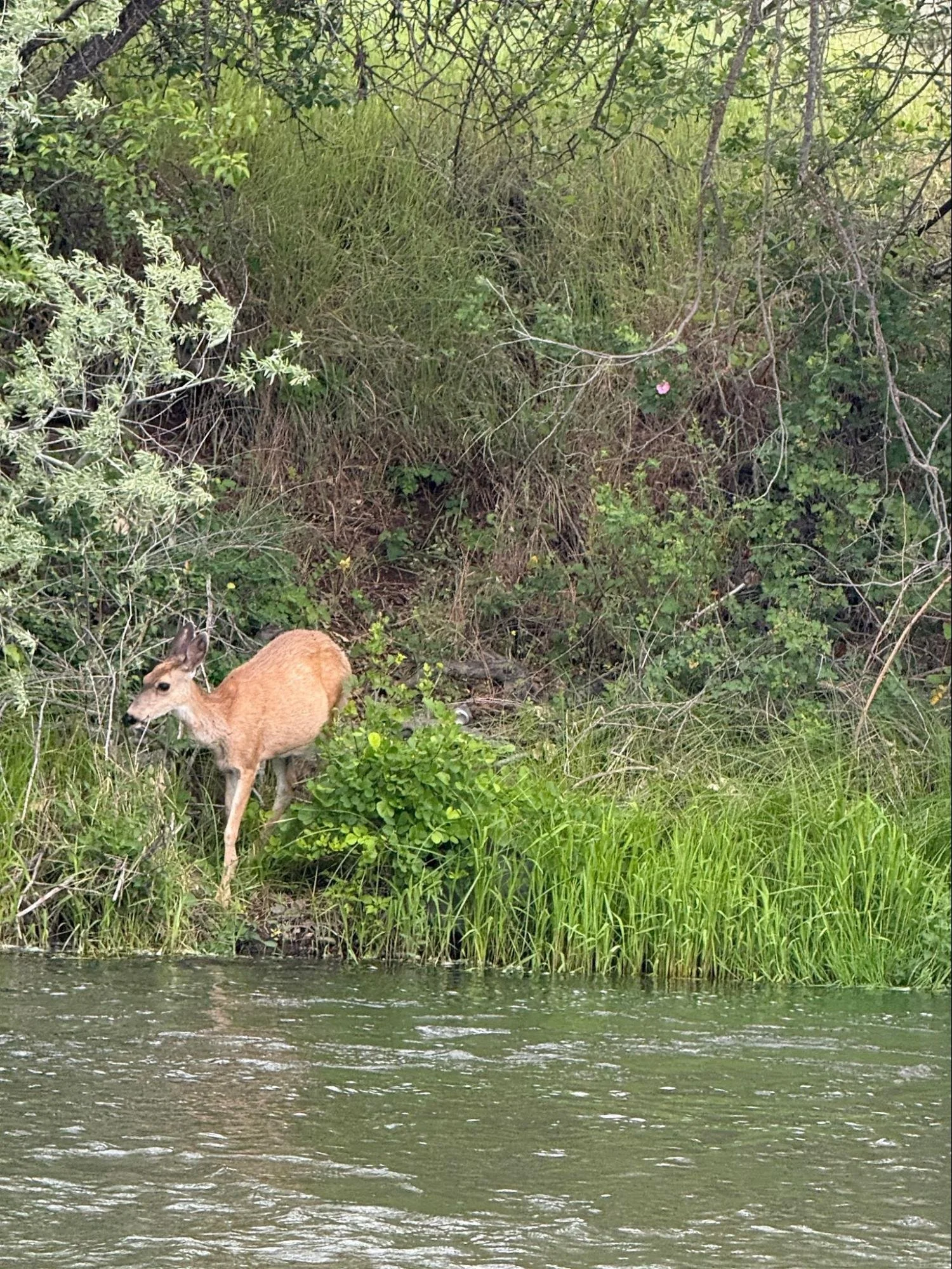
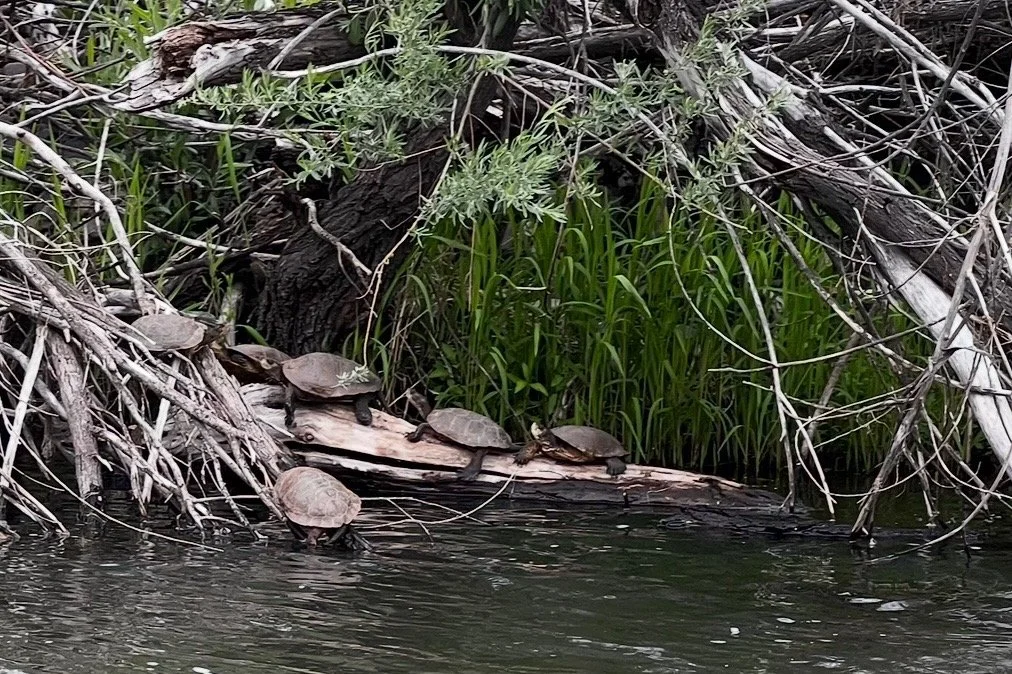
Signs of renewal prevailed throughout the float, including at the Jenny Creek tributary where the Yurok Tribe restored salmon and steelhead spawning habitat. Deer, fish, turtle, and beaver activity was widespread while a fox kit later emerged from a den in the rubble at the former Iron Gate Dam site.
The social transition, however, is unfolding at a different pace.
Following our float, I stopped at Cottonwood Creek Pizza and the neighboring First & Last Chance Saloon, a longtime gathering place for the adjacent community of Hornbrook. While I expected locals to be skeptical of a straggler coming off a river trip, I was relieved to see a poster encouraging visitors to "RAFT THE UNDAMMED KLAMATH RIVER!". It struck me as both a celebration of the river's future and a symbol of a community adapting to profound change.
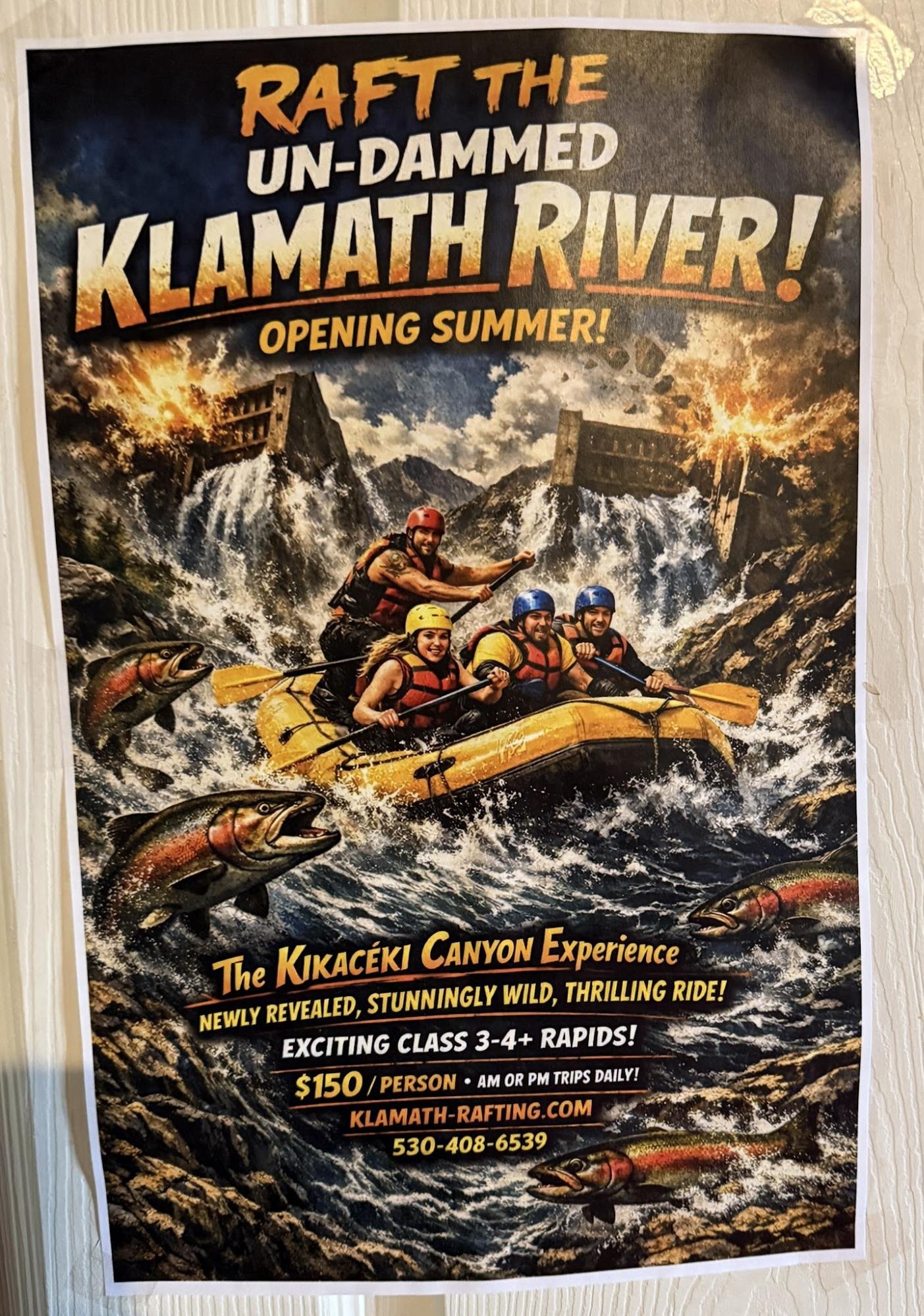
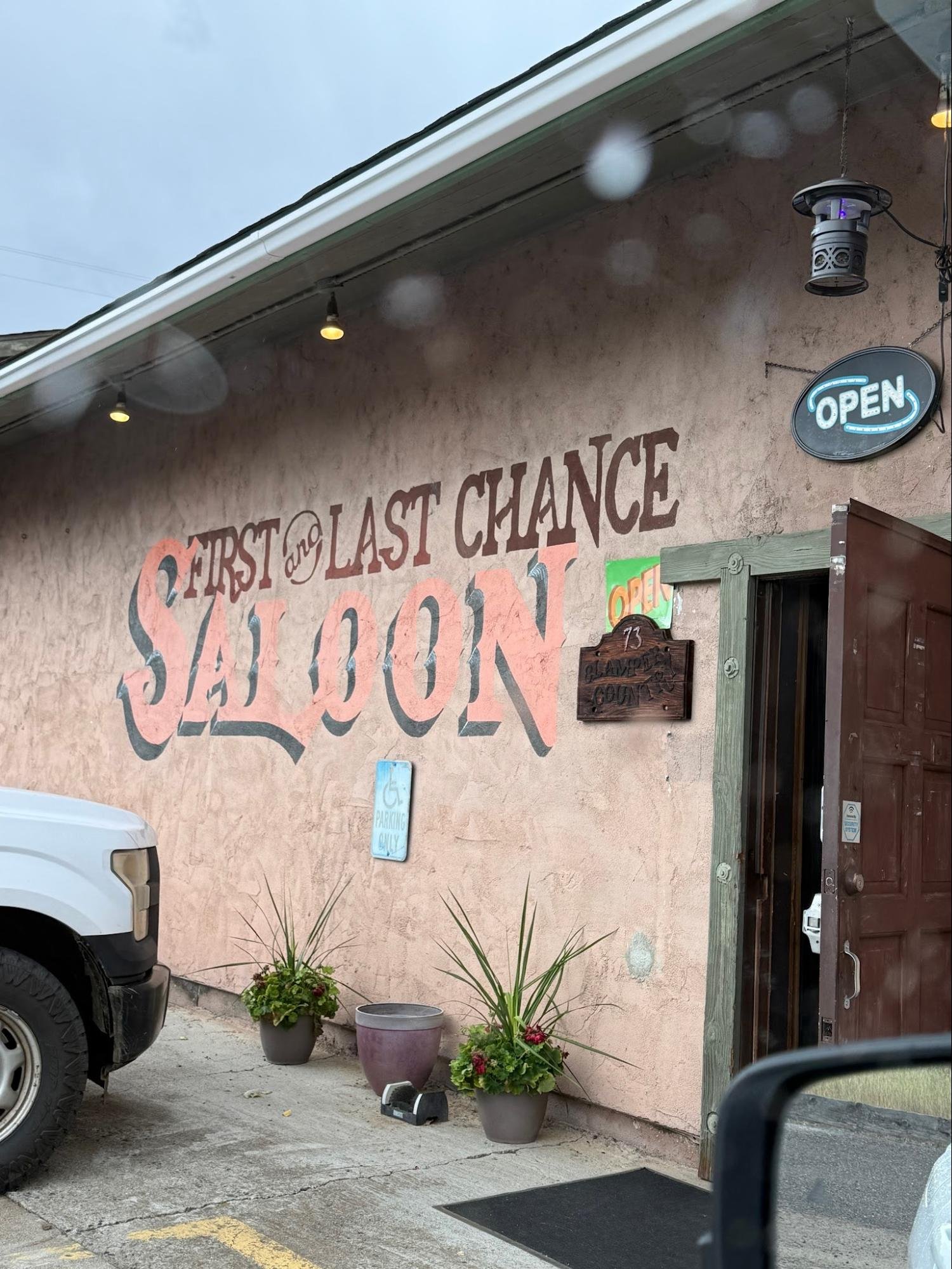
While I indulged in some quality pizza and conversation, the longtime owner explained that for more than 60 years, much of their business depended on campers spending weekends at the reservoir before stopping in for dinner or drinks. That customer base has largely disappeared.
Rather than resisting the new reality, they're finding ways to adapt.
Today they're leasing parking space to rafting outfitters staging trips on the free-flowing river. They're exploring overnight camping opportunities on adjacent property. Their business is evolving alongside the watershed itself.
That conversation reinforced something we don't often discuss when we celebrate restoration successes: every landscape change affects people differently. Some experience excitement. Others experience uncertainty. Many experience both.
Listening to local residents, I heard genuine optimism about new recreation opportunities and renewed fisheries. I also heard understandable concerns about changing identities, changing businesses, and changing ways of life. Those perspectives are not mutually exclusive. They are all part of what it means to restore a landscape.
This is one of the reasons Indigenous-led restoration is so compelling.
Throughout the California Fish Passage Forum meeting, speakers emphasized that leadership from the Karuk, Yurok, Hoopa Valley, and Klamath Tribes has ensured restoration priorities extend beyond engineering objectives. Through initiatives like Ridges to Riffles, restoration is guided by cultural values, Traditional Ecological Knowledge (TEK), and a long-term vision of watershed stewardship. Equally important, it reconnects Tribal youth with their ancestral lands while strengthening Tribal sovereignty through stewardship and decision-making.
That broader perspective is something EPIC is striving to support across the West.
Our work across the Rio Grande Basin has shown that watershed restoration cannot stop at replacing infrastructure or repairing a single stream reach. Lasting resilience comes from treating the watershed as an interconnected system—from restoring forests and reducing wildfire risk in the headwaters to reconnecting floodplains, rebuilding wetlands, restoring habitat, and creating opportunities for communities to reconnect with the landscapes that sustain them.
The Klamath reaffirmed that vision.
As we continue advancing barrier removals, nature-based infrastructure, and watershed-scale restoration, we also need to recognize the human dimensions of these projects. Restoration inevitably reshapes communities alongside ecosystems. By acknowledging those transitions—and by highlighting the many co-benefits that healthy watersheds provide, from cleaner water and stronger fisheries to climate resilience, recreation, public safety, and local economic opportunity—we can help communities see not only what has been lost, but also what is being gained.
The Klamath reminds us that restoration is not about returning to the past. It is about creating a more resilient future. When Indigenous communities lead that work and restoration is approached at the scale of the watershed, we have the opportunity to renew both ecosystems and the communities that depend on them.