

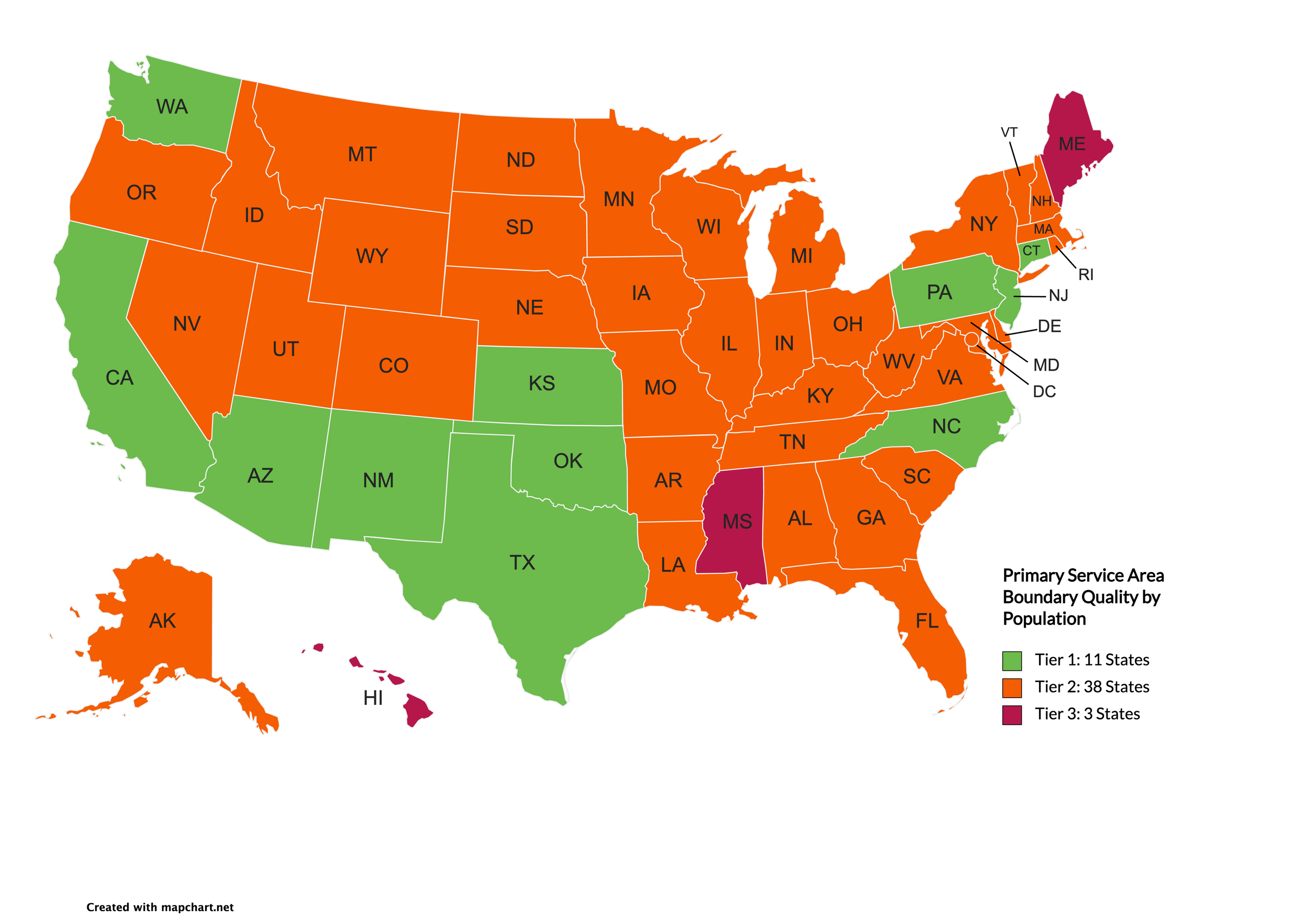
Water service area boundaries enable new insights - including identifying water systems that are most in need of funding to address drinking water inequality.

A Fairer Funding Stream

Best Practices: How to Replace Lead Pipes Quickly, Efficiently, and Equitably Over the Next Decade
Testimony of Maureen Cunningham and Dr. Katy Hansen on Trusting the Tap: Upgrading America’s Drinking Water
It is possible to work quickly, iteratively and in community to tackle gaps in water data.

Lead-Free Water Challenge: What We Learned About How To Prepare Your Inventory Without Knowing Everything Yet

Menu of Options: Data and Technology To Replace Lead Pipes Faster

Lead-Free Water Challenge: What We Learned About Proactive Communications Around Lead Service Line Replacement

EPIC participates in Great Lakes and St. Lawrence Cities Initiative meeting with mayors on water equity

Reforming State SRF Policies: Lessons Learned from Advocacy in Wisconsin

Lead-Free Water Challenge: What We Learned About Data Management and Lead Service Line Inventories

Drinking water service area boundaries are critical for state policy and operations - and some state agencies are working with local water systems to develop this foundational data set.

Investing in America’s Onsite Wastewater Treatment Systems for Equity and Sustainability
New Report: Investing in America’s Onsite Wastewater Treatment Systems for Equity and Sustainability

Municipal Leaders: Integral to the success of lead pipe replacement in the United States

A national map of water service area boundaries can support Justice 40 goals and other federal programs.

States act to get the lead out faster: Will they be better poised to access federal funding?

Why do we need drinking water service area boundaries?
We need investment in physical infrastructure and digital infrastructure to quickly and equitably replace lead pipes.
