FOR IMMEDIATE RELEASE: 10/01/2026
Media Contacts:
Erica Galante-Johnson, Lead Service Line Policy Lead, erica@policyinnovation.org
Jessica Lamb, Deputy Director of Water, jlamb@policyinnovation.org
Website: Lead Innovation Hub: Community Organizations’ Roadmap
Washington, D.C. — The Environmental Policy Innovation Center (EPIC) has launched a new resource to help community organizations get residents engaged and lead service line replacement moving in their communities.
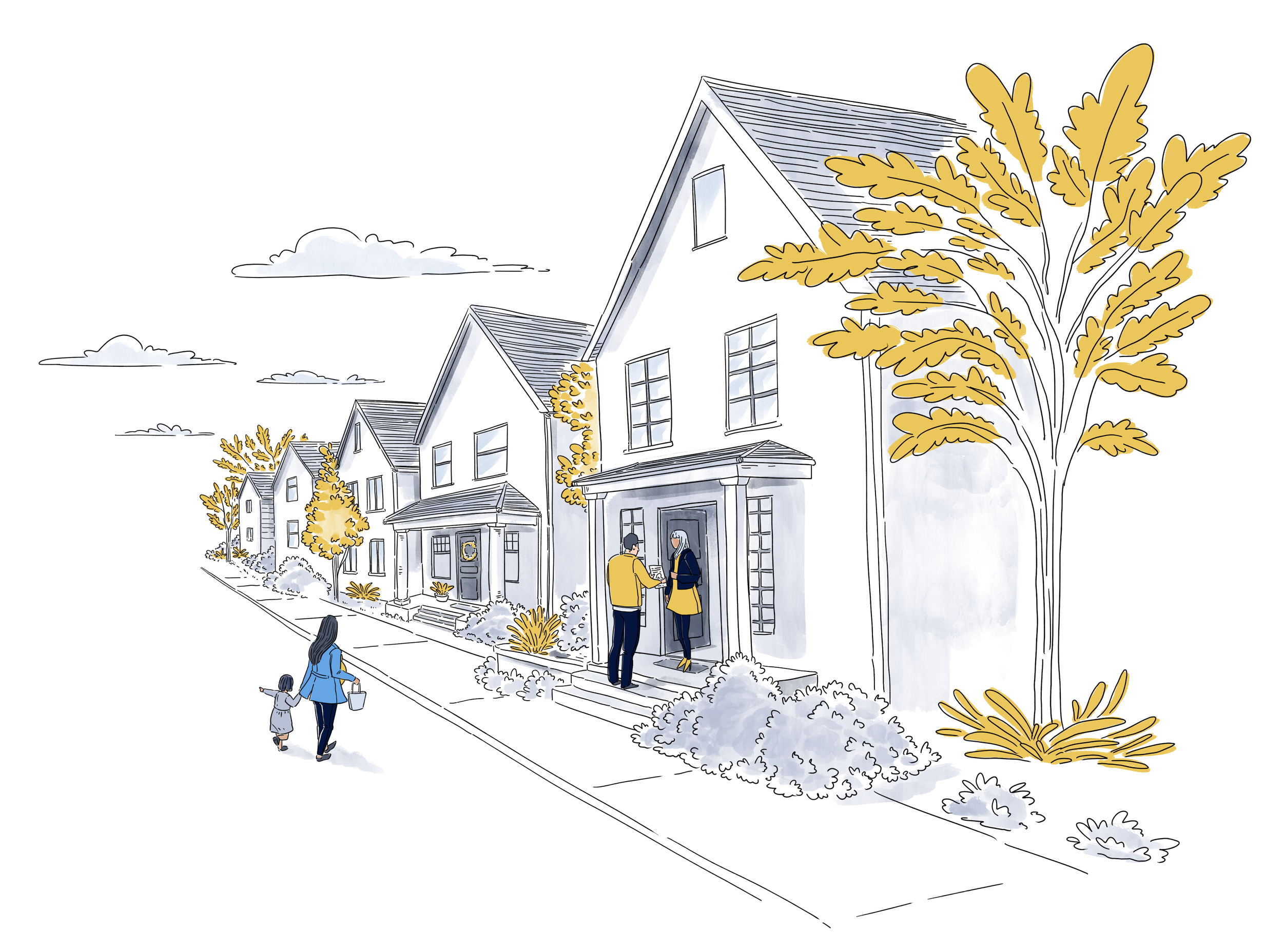
Replacing lead service lines is more than a construction project. It often requires residents and property owners to agree to work on private property, making community engagement critical to getting replacement programs off the ground. The new roadmap gives community-based organizations, resident leaders, neighborhood associations, faith-based organizations, tenant groups, environmental and public health advocates, local nonprofits, and other trusted community partners guidance and tools to help make replacement happen.
“Physically removing lead pipes isn’t that hard. The harder part is often getting residents, property owners, utilities, and local leaders to work together to get it done,” said Dr. Tim Male, EPIC’s founder. “Happy to share tools that are effective in solving that problem.”
The roadmap focuses on six principles for successful lead service line replacement:
Engage Local Decision Makers
Foster a Strong Partnership with the Water Utility
Activate the Community
Reduce Costs and Boost Community Benefits
Track Progress and Adapt Strategies
Ensure Long-Term Viability
Together, the principles show community organizations how to build relationships with local decision-makers and water utilities, reach and educate residents, reduce financial and logistical barriers, track progress, and help communities stay engaged throughout the replacement process.
The new roadmap joins three roadmaps launched in 2025 for state decision-makers, water utilities, and mayors, giving people working at different levels of a lead service line replacement program resources tailored to their role. The launch also adds 80 new resources, bringing the total to over 300.
“The people closest to a community can play a critical role in making lead service line replacement happen,” said Erica Galante-Johnson, Lead Service Line Policy Lead at EPIC. “Community organizations are trusted voices in their communities. They can help residents understand the risks, navigate the replacement process, and build relationships between the community and their local water utility.”
The roadmap is designed to help communities move beyond identifying lead service lines to getting them replaced. Community organizations can use it to identify where their community can have the greatest impact, find resources to support their work, and build stronger partnerships with the people responsible for delivering replacement programs.
Community organizations and leaders can explore the Community Organizations’ Roadmap, find tools they can use in their own communities, and visit the full Lead Innovation Hub for resources tailored to utilities, mayors, state decision-makers, and others working to eliminate lead service lines.
###
About the Lead Innovation Hub
The Lead Innovation Hub is a solution and action-focused website designed to be your go-to resource for all things lead service line replacement. The Hub is for everyone—wherever you are on your lead service line replacement (LSLR) journey, whether you’re just starting or looking for new ideas to take your program across the finish line. Here you’ll find success stories, best practices, cost-efficient solutions, cutting-edge resources, and fresh ideas to inspire, motivate, and support you and your teams. We all want to improve public health, so let’s continue building momentum and accelerating progress.
About the Environmental Policy Innovation Center (EPIC)
At EPIC, we build policies that speed up environmental progress. We imagine a future where environmental and public health outcomes dramatically outpace the scale and speed of their threats, where healthy communities and ecosystems thrive, and where governments effectively serve their people. In partnership with government, private, and nonprofit partners, we are standardizing a new pace so environmental innovation moves faster. Learn more at: policyinnovation.org