


For Immediate Release: Financing for Green Stormwater and Natural Infrastructure Lags Behind Needed Investment

Financing Green Stormwater and Natural Infrastructure with Clean Water State Revolving Funds
In this report, we examine Clean Water State Revolving Fund-financed investments in green stormwater infrastructure and natural infrastructure, which mimic or utilize natural processes to solve water quality and stormwater challenges. Communities around the country face environmental and health consequences due to failing water infrastructure. The Clean Water State Revolving Fund helps address these challenges by financing projects to improve water quality and public health. Most states and territories primarily invest in traditional gray infrastructure. In comparison to gray infrastructure, green stormwater infrastructure and natural infrastructure are often more cost-effective, climate resilient, and provide a plethora of economic and social benefits. We specifically evaluate investments in green stormwater infrastructure and natural infrastructure between 2016 and 2020 and give recommendations to state agencies and the EPA.

Echoing Newark: How American Cities Can Replicate Newark’s Success in Replacing Over 23,000 Lead Pipes in Under Three Years

Unlocking State Revolving Funds to Finance Resilience Across the Great Lakes Region

Unlocking Clean Water State Revolving Funds to Finance Resilience Projects Across the Great Lakes Region
Established in 1987, Clean Water State Revolving Fund (CWSRF) have played a key role in improving water quality in the United States by providing more than $145 billion to finance more than 42,800 projects nationwide. This report looks at the current status of how CWSRF dollars have been spent across the Great Lakes states, and proposes greener priorities that would spur transformation in environmental, economic, public health, and social outcomes.

How can tribes use mitigation banking for economic development?
How can tribes use mitigation banking for economic development?

Coproduce Conservation Technology With Conservation Decision Makers and Practitioners to Increase Its Impact

Net Zero or Better: Priorities for Offset Policies that Benefit the Environment and Communities

Is “zero” a result? Is “no” an answer?
For Immediate Release: Lead and Copper Rule Revisions Go into Effect Alongside Improvements; Policy Reform and Innovation Still Needed

Takeaways & Recommendations from Panel on How Technologies Can Improve Water Services

EPIC Featured: High costs, few customers: Benton Harbor water woes loom for Michigan cities

Visualizing Tribal Mitigation Opportunities in the Colorado River Basin
Maryland Clean Water Commerce Act Explainer

Too Small to Succeed: State-Level Consolidation of Water Systems
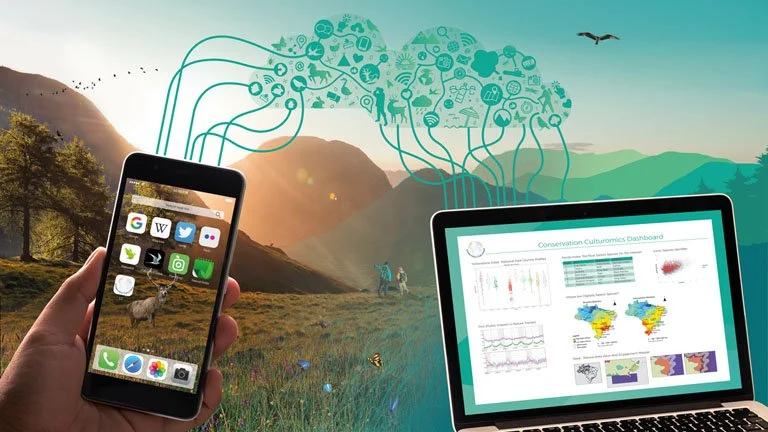
Introducing EPIC’s Expanded Technology Program: Putting Data to Use for Environmental Policy

An interview with EPIC tribal mitigation fellow, Mariah Black Bird
An interview with Tribal Mitigation Fellow Mariah Black Bird
Watershed Partnerships Memoranda of Understanding

EPIC Featured: America – Eroded Trust in Corroded Pipes
