The Assiniboine and Sioux Tribes of Fort Peck, the Environmental Policy Innovation Center, Defenders of Wildlife, and Kingfisher Parker are proud to announce the launch of the Endless Prairie Buffalo Project, a collaborative wildlife restoration and community-benefits initiative to restore buffalo and their habitat on Tribal lands through innovative financing with a biodiversity credit pilot.
North American grasslands once sustained seasonal migrations of millions of buffalo across a continuous sea of rich grasses throughout much of what is now known as the United States. These herds sustained Plains Tribal Nations, for whom the buffalo are a central element of their culture and are considered to be kin. Today, only small isolated populations of buffalo remain, and the grasslands are at the epicenter of one of the most severe biodiversity crises on Earth, with their keystone species at a tiny fraction of their previous number and profound economic, health, and cultural consequences for Native American communities.
After more than a century of absence, buffalo are returning to landscapes across the Great Plains with Tribal Nations leading the efforts. Tribes hope to restore fragmented grassland ecosystems and advance a pivotal pillar of cultural revitalization. The American Buffalo, sacred to many Tribal Nations and America’s national mammal, struggle to find enough range to thrive once again. Restoring buffalo at ecologically and culturally meaningful scales requires expanding available range and habitat, thus promoting return of the keystone species, Tribal economic opportunity, spiritual restoration, and food sovereignty.
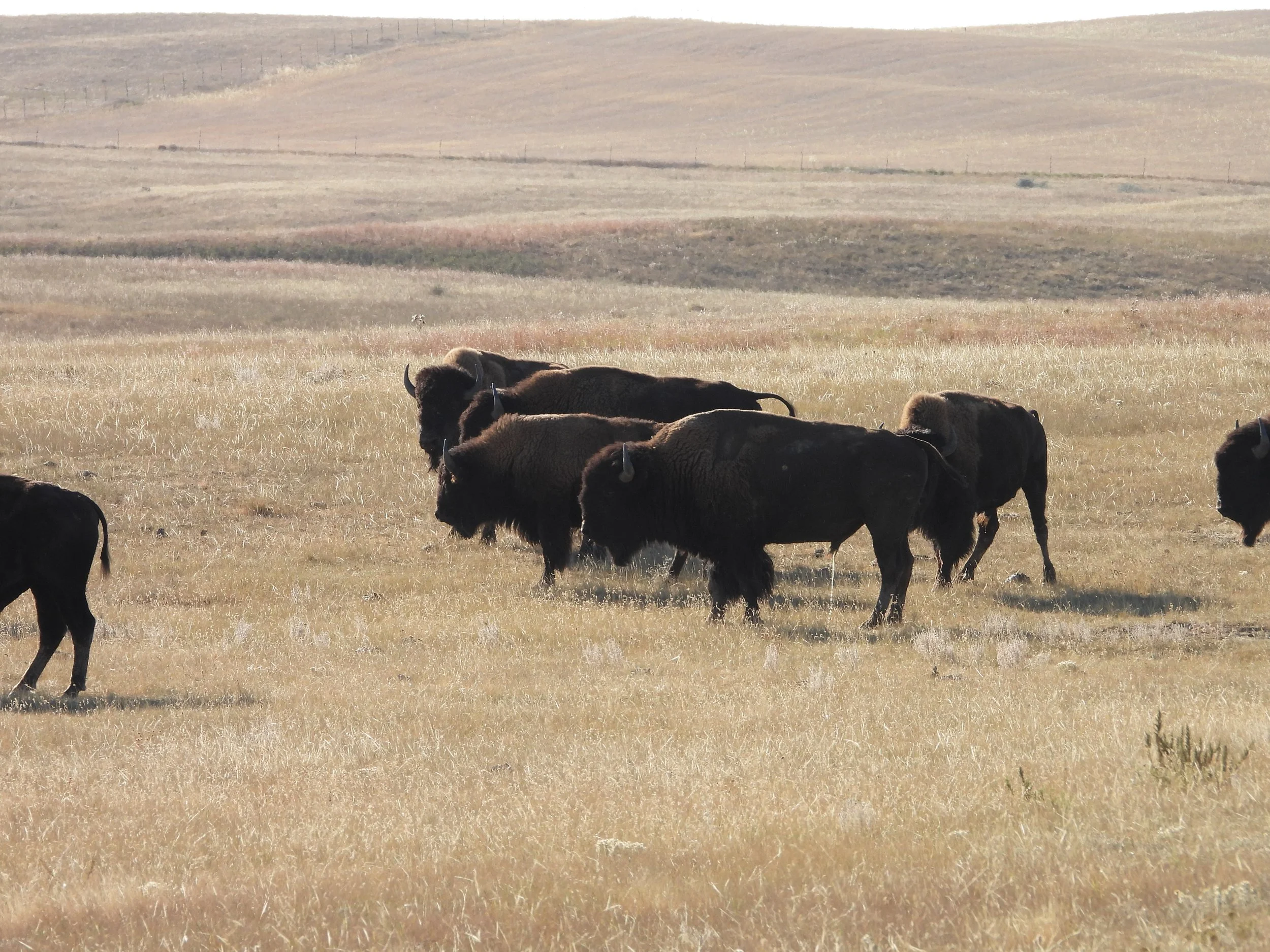
Photo by: Ft. Peck Assiniboine and Sioux Tribes